The short answer
Replace the workflow that is failing—not the brand name
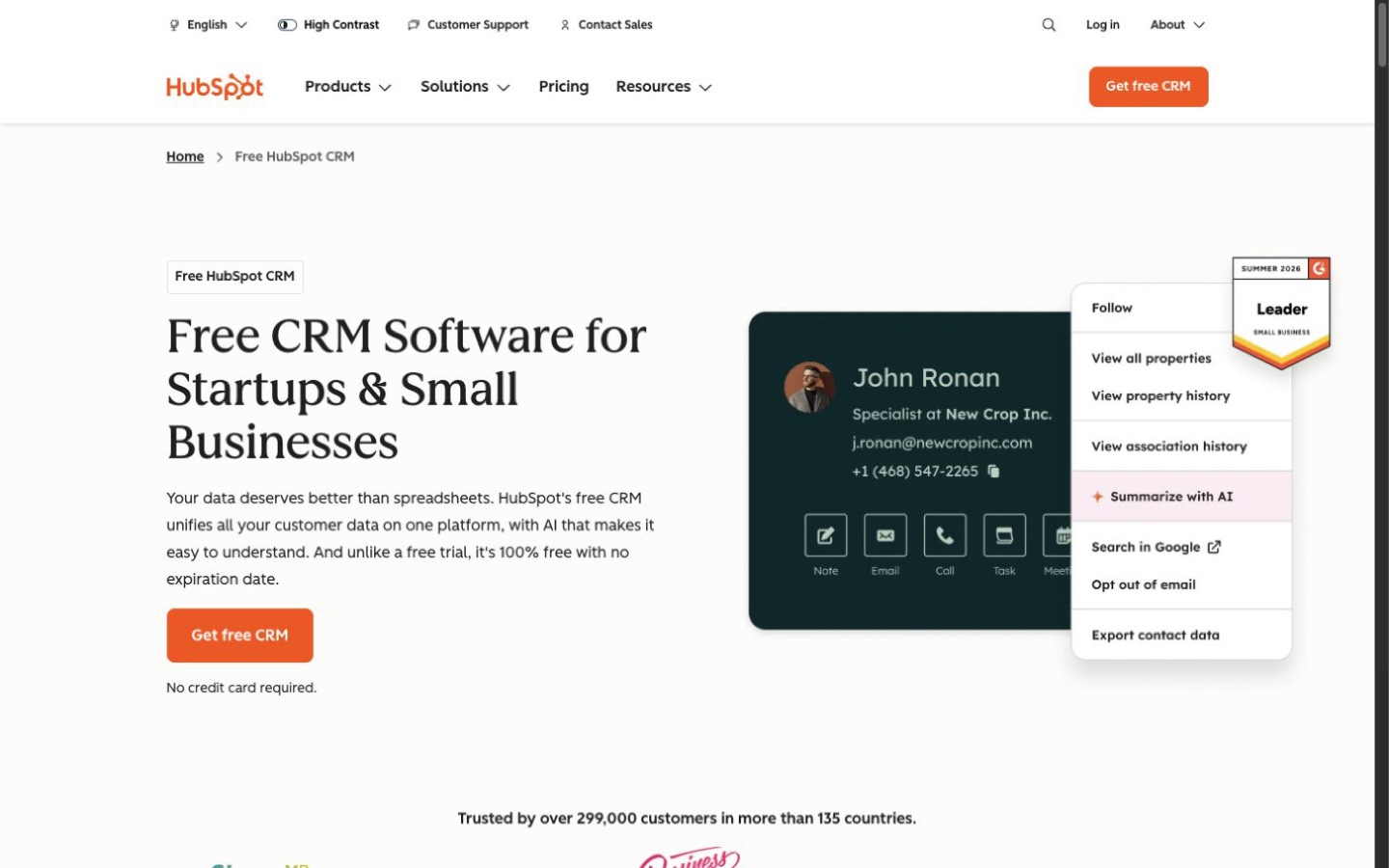
HubSpot often starts as a simple CRM and becomes a collection of sales, marketing, service, content, and data tools. That expansion is useful when the business wants it. It is expensive and distracting when the team only needs one job done well.
Zoho CRM is the value-oriented configurable choice. Pipedrive keeps the sales pipeline in the foreground. Gorgias and Re:amaze are better comparisons when the real job is helping ecommerce customers, not managing deals. Salesforce fits a company with formal process, administrators, and enterprise-level customization needs.
Before switching
Know what HubSpot CRM is no longer doing well
- The business is paying for several hubs or contacts while only using a narrow sales workflow.
- Salespeople need a clearer pipeline and less platform setup.
- Most customer work is order support, returns, and delivery questions rather than leads and deals.
- The team wants a smaller help desk with ecommerce context instead of a broad CRM suite.
- Permissions, approvals, territories, reporting, and customization now require an enterprise program.
The alternatives
Match each option to a different reason for leaving
Best configurable value
Zoho CRM
A small or midsize sales team that wants a conventional CRM and the option to connect other Zoho business apps.
Zoho CRM covers pipelines, records, workflows, reporting, and customization without requiring the business to buy a broad marketing platform first. It is especially relevant when finance, inventory, service, or analytics may also live in Zoho.
- Main tradeoff
- A flexible system still needs a disciplined owner. Too many fields and automations can recreate the clutter the team is trying to leave.
- Verify before switching
- Build one real pipeline, import 50 clean records, test permissions and reports, and price the full suite the business expects to use.
Best for a focused sales pipeline
Pipedrive
A sales team that wants deals, activities, follow-up, and forecasting to stay at the center of the product.
Pipedrive is the clearest alternative when HubSpot feels too broad for the sales job. Its product and plan structure are organized around moving deals through a pipeline rather than building a large customer platform.
- Main tradeoff
- Marketing, service, ecommerce context, and data operations may require separate products or integrations.
- Verify before switching
- Have each salesperson manage a real sample from lead to won or lost, then check reporting, email sync, automation, permissions, and export.
Best for Shopify customer support
Gorgias
An ecommerce service team that needs order context and safe store actions beside customer conversations.
Gorgias is not a like-for-like sales CRM. It is the better alternative when staff spend their day on order status, address changes, refunds, damaged products, chat, and social messages.
- Main tradeoff
- It does not replace a B2B sales pipeline or a full marketing CRM. Ticket volume, channels, automation, and commerce actions shape cost.
- Verify before switching
- Replay the five most common tickets with test orders and exact agent permissions, then measure handoffs and resolution time.
Best for a lean ecommerce help desk
Re:amaze
A smaller support team that wants shared inbox, chat, ecommerce context, and a simpler operating surface.
Re:amaze keeps the focus on customer conversations and store support. It can be easier to adopt when a small team does not need the wider sales and marketing machinery surrounding HubSpot.
- Main tradeoff
- A growing operation may later need deeper workforce management, analytics, enterprise controls, or sales automation.
- Verify before switching
- Connect safe test channels, check collision and assignment handling, and confirm what order data and actions each agent can access.
Best for enterprise sales process
Salesforce Sales Cloud
A larger B2B or wholesale team with defined territories, approvals, roles, reporting, and administrative support.
Salesforce is the opposite of downsizing: it is an alternative for a business that has outgrown a lighter setup and needs CRM to become a formal operating platform.
- Main tradeoff
- Licenses are only the start. Implementation, integration, data cleanup, administration, training, and change control can dominate the cost.
- Verify before switching
- Require a prototype of the hardest process, a permission map, migration rehearsal, reporting pack, and three-year operating estimate.
Also considered
Other credible options in the directory
Freshsales
A credible sales CRM with a simpler entry path; compare its automation, communication, and reporting limits with Pipedrive and Zoho.
monday CRM
Worth a look for teams already comfortable with monday.com's work-management model and willing to design their CRM process.
Kustomer
A customer-service option for larger operations that want conversation and customer data in one service workspace.
Zendesk Suite
A mature support platform, but it answers the service-desk question rather than replacing a sales CRM directly.
Keep HubSpot CRM?
A switch is not automatically an improvement
- The business actively uses several HubSpot hubs as one working system.
- Lifecycle, consent, marketing, sales, and service data already stay clean on the HubSpot record.
- The expected contact and seat growth fits a known multi-year budget.
- The team has an owner who can govern fields, automations, permissions, and integrations.
Migration pilot
Prove the replacement before moving the live workflow
- Name the single sales or support workflow that is failing.
- Export a small clean record set with consent and ownership fields.
- Rebuild that workflow in one candidate, not every HubSpot feature.
- Let intended users complete the work with their real permission levels.
- Check reports, duplicates, exports, deletions, and integration failures.
- Compare 24-month cost and write a reversible cutover plan.
Editorial method
How this alternatives guide was built
We defined every other published product in the category as the candidate group before considering affiliate relationships. The featured options solve different reasons for leaving HubSpot CRM; they are not a universal ranking.
This is source-based workflow analysis, not hands-on testing. Current prices, limits, integrations, and support terms should be confirmed during a small reversible pilot.
Sources