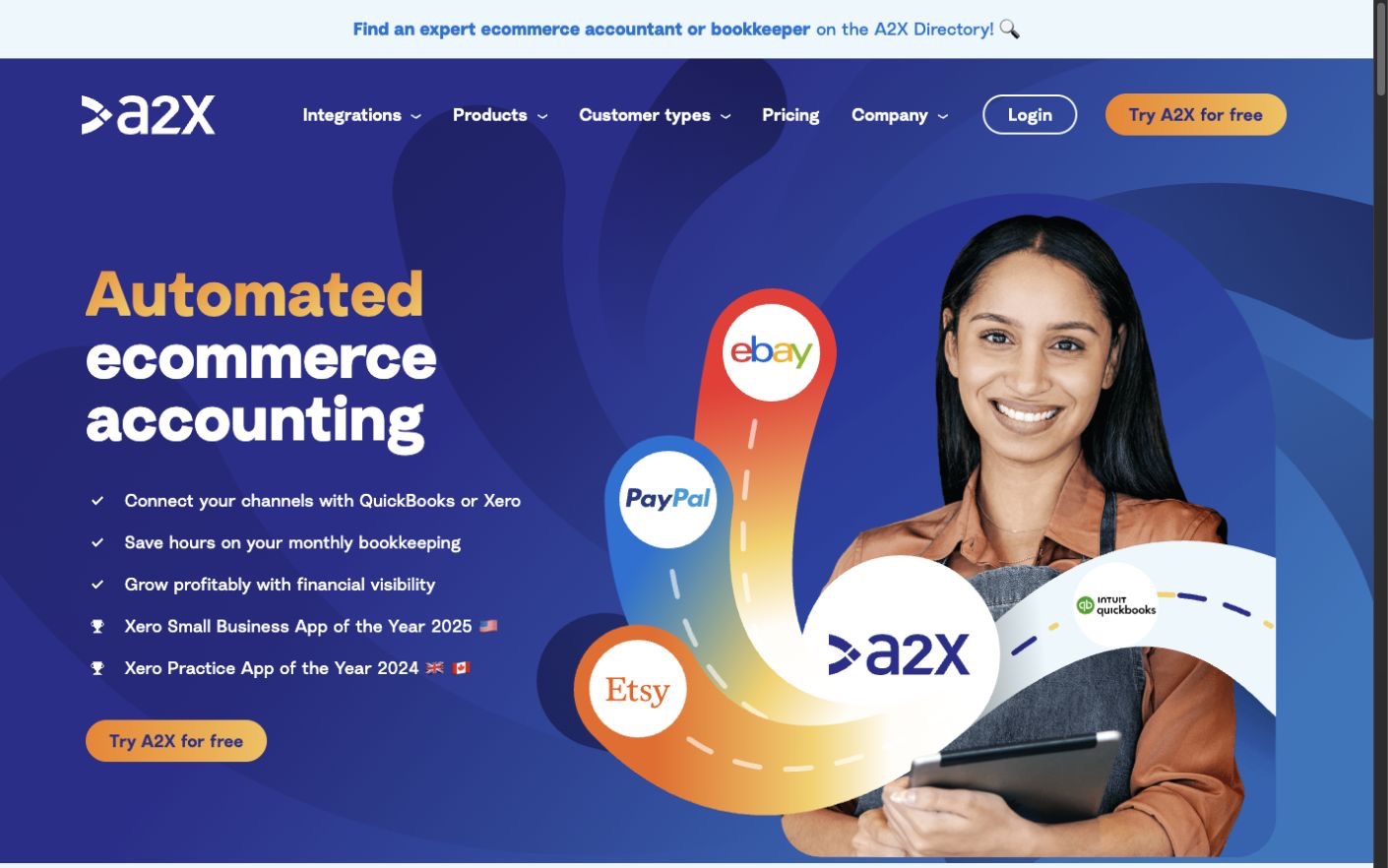
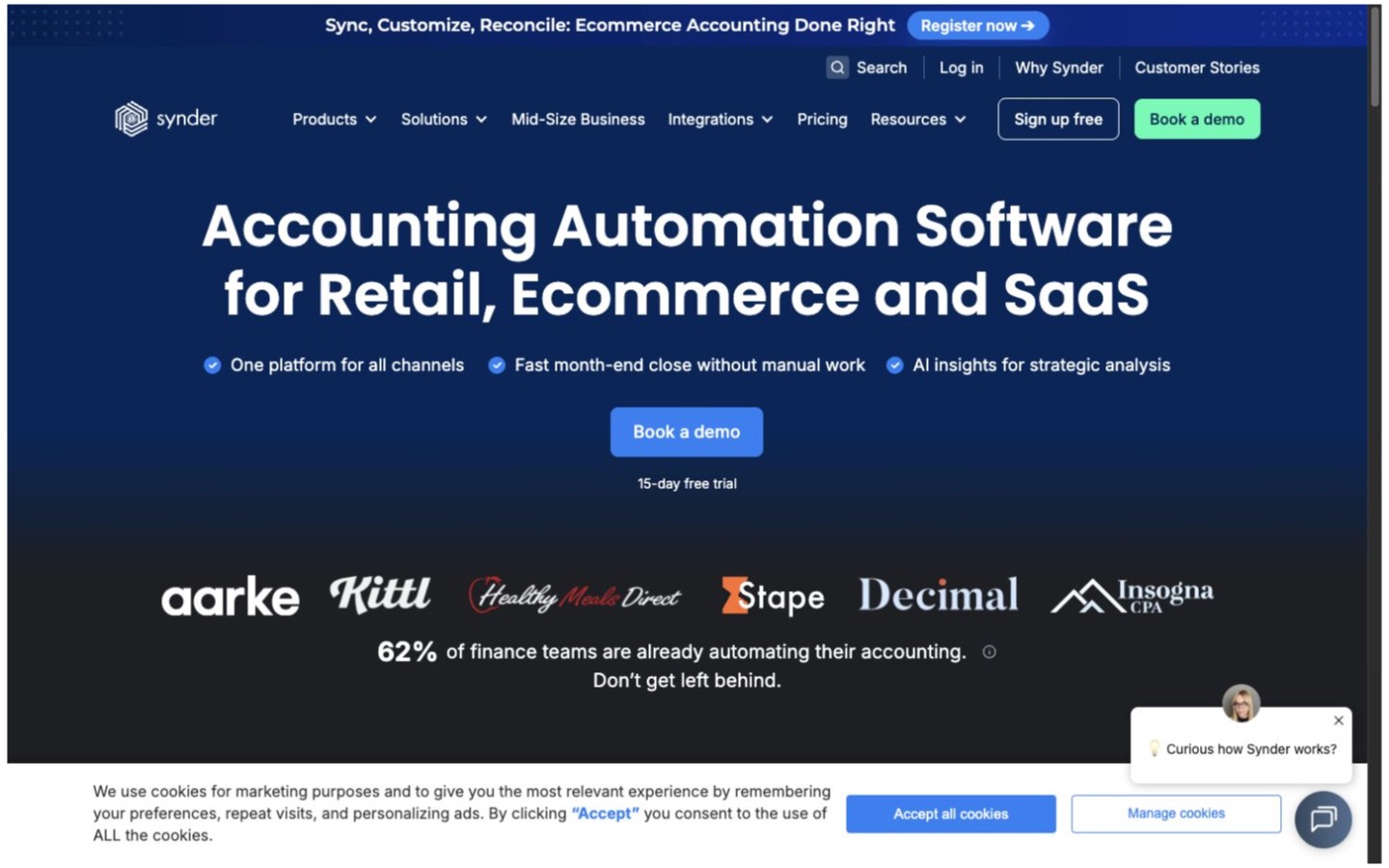
Ecommerce accounting automation that converts store and marketplace payout data into summarized entries for reconciliation in a connected general ledger.
Best for
Shopify, Amazon, eBay, Etsy, Walmart, and PayPal sellers that need fees, taxes, refunds, and deposits organized before posting to their accounting system.
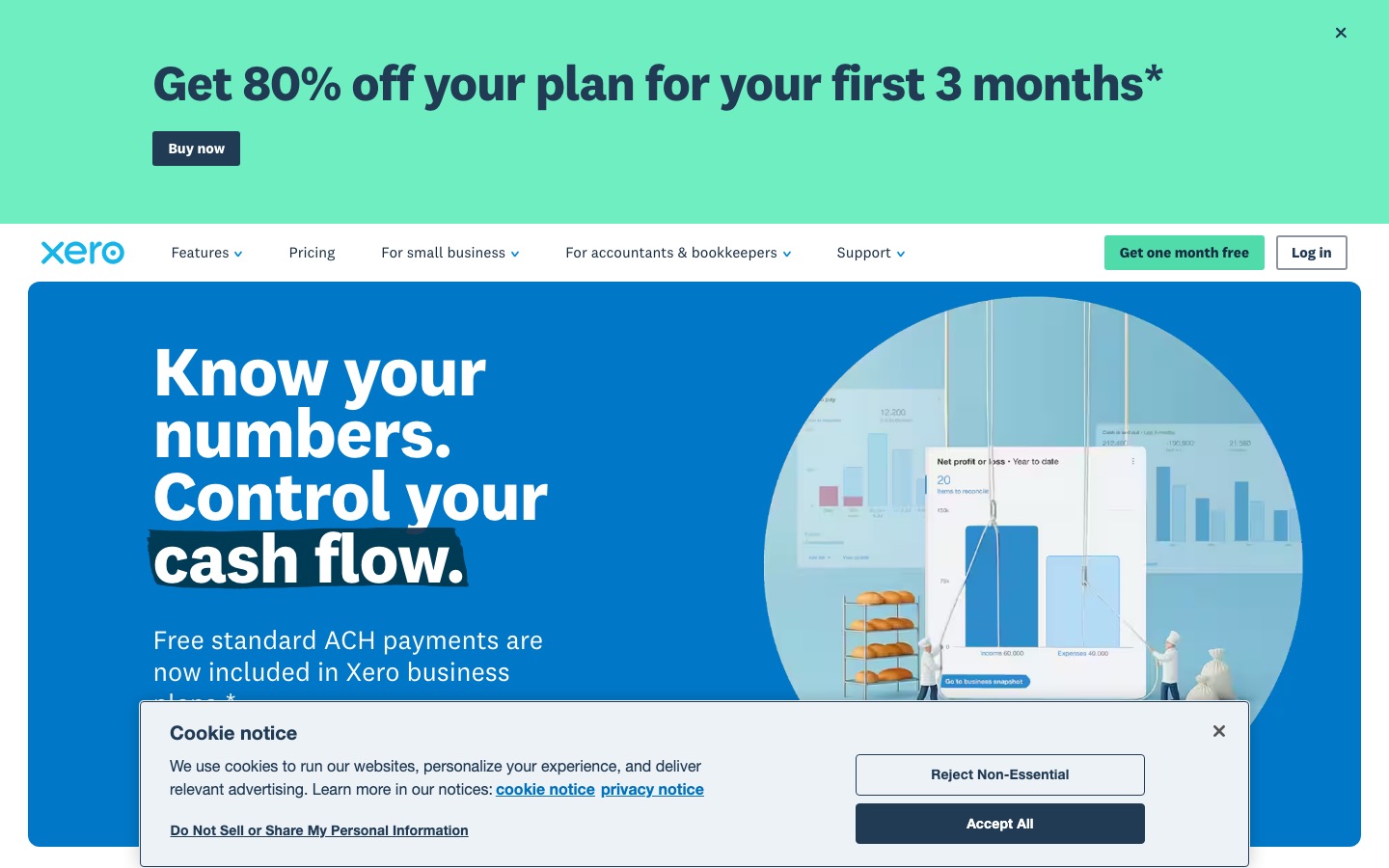
Cloud accounting suite for banking, reconciliation, invoicing, payables, purchasing, inventory, tax workflows, and financial reporting.
Best for
Small and growing merchants that want a full accounting system with a free entry option and room to add inventory, sales orders, and connected commerce workflows.
Compare QuickBooks Online and Xero for ecommerce bookkeeping, Shopify reconciliation, inventory, multichannel sales, team access, reporting, exports, and migration risk.
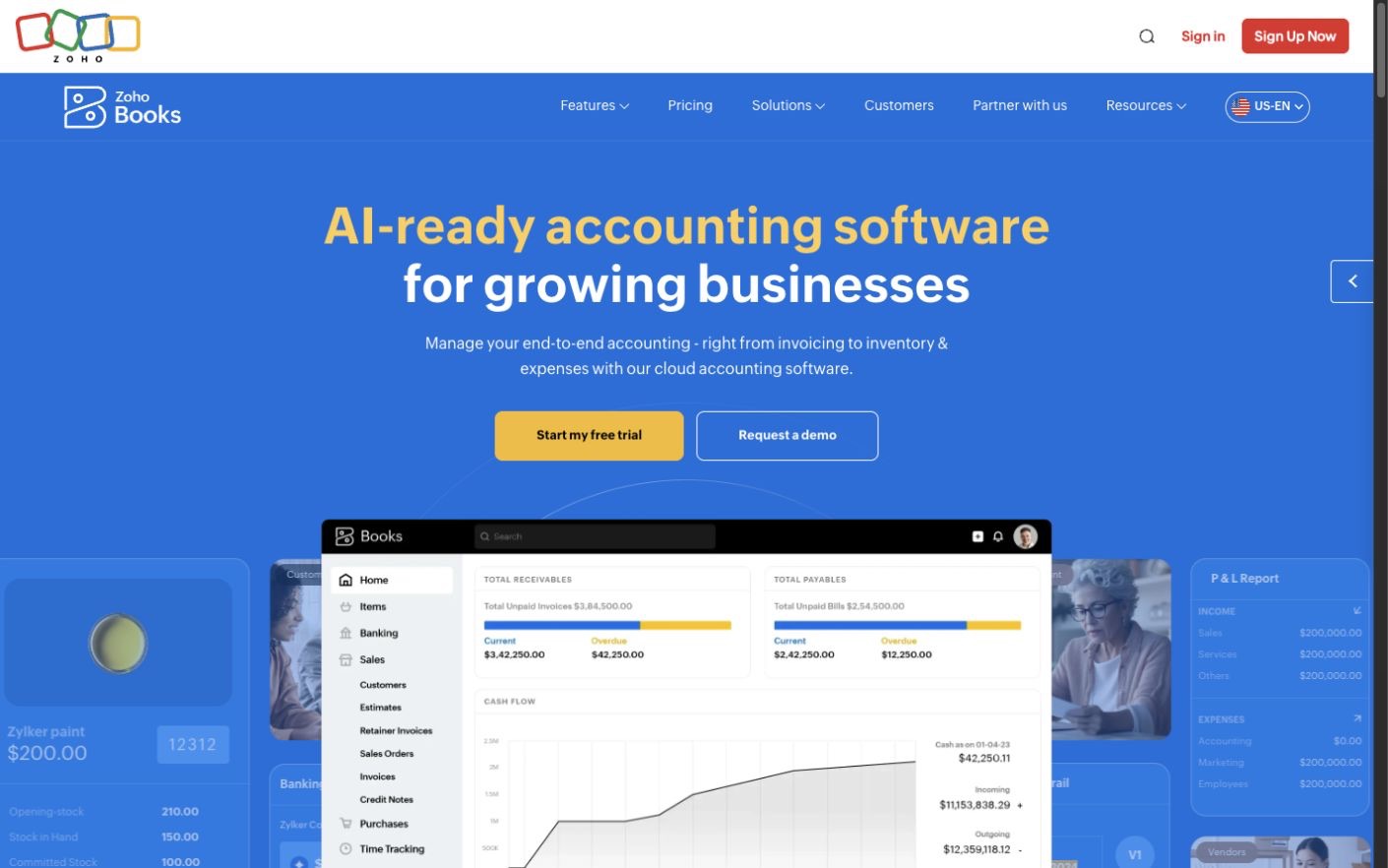
Compare Odoo Accounting and Zoho Books for ecommerce pricing, store connections, inventory, users, reports, customization, migration, and day-to-day bookkeeping.
Confirm how the accounting tool receives ecommerce, payment processor, marketplace, and inventory data before committing.
Look for clean reconciliation workflows, accountant access, tax support, reporting, and compatibility with your sales channels.
Plan for add-ons or connectors if your ecommerce data is too detailed for the accounting system to ingest directly.
FAQ
Do ecommerce merchants need specialized accounting software?
Many merchants can use mainstream accounting tools, but ecommerce-specific connectors or workflows are often needed for clean payout, fee, and sales tax reconciliation.
Should accounting software connect directly to the store?
Direct connections can help, but the quality of data mapping matters more than the existence of an integration.
Build the rest of your stack
Related software categories
Merchants evaluating Accounting Software often need to coordinate these adjacent parts of the commerce stack.