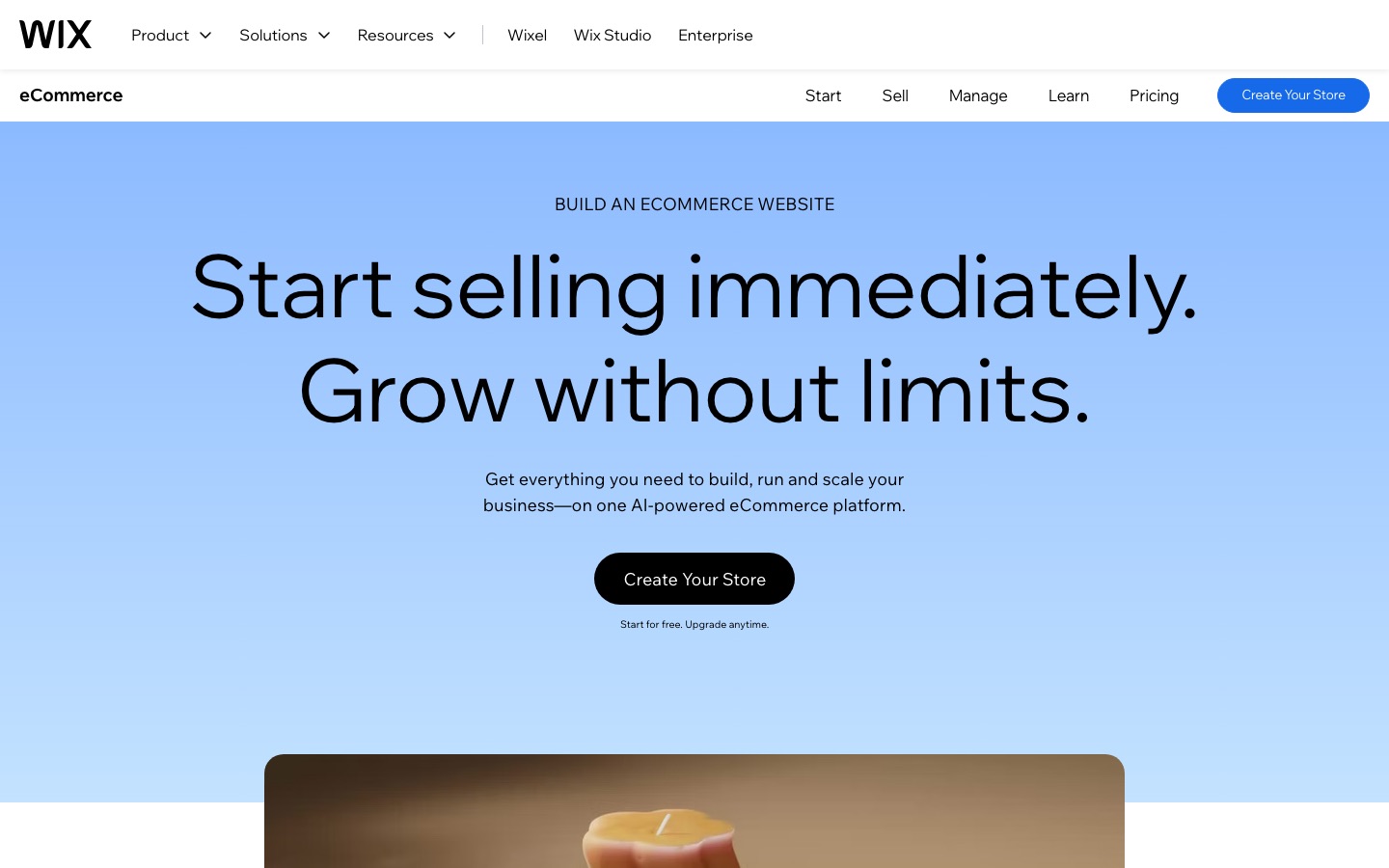
Hosted website and ecommerce platform for selling physical products, digital goods, services, subscriptions, and content from a design-focused storefront.
Best for
Small and growing brands that want content, design, hosting, and commerce tools in one managed platform without assembling a separate storefront stack.
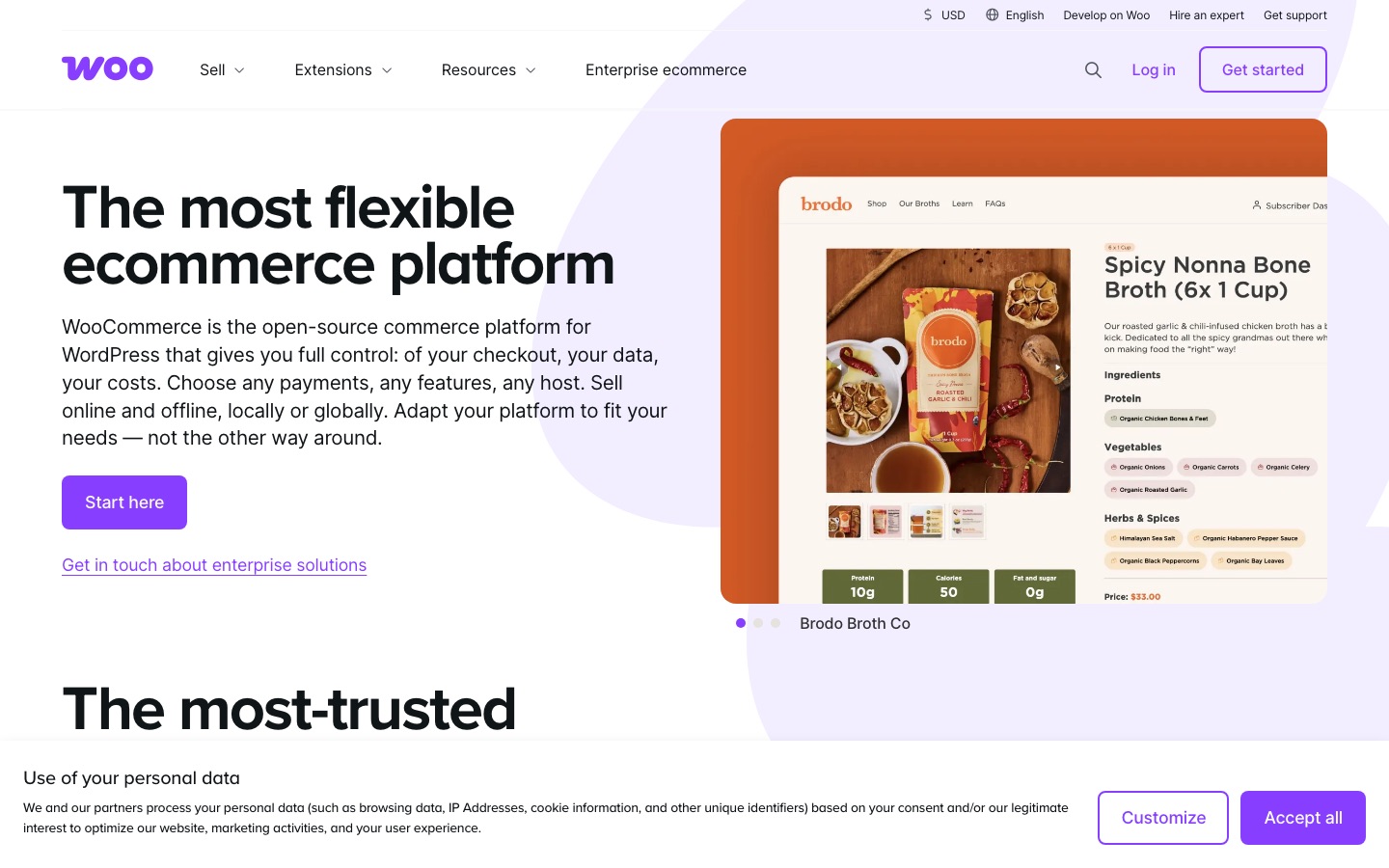
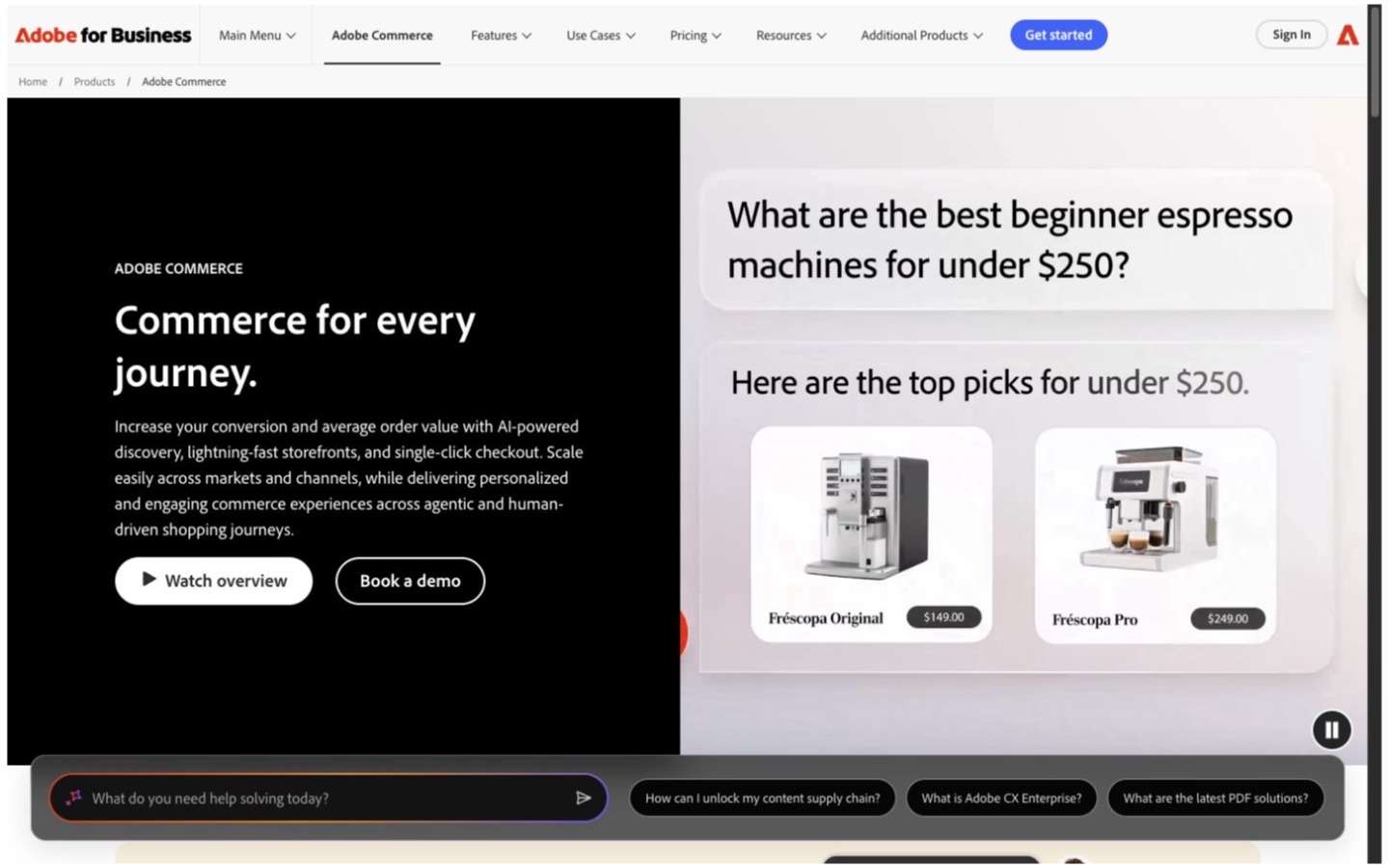
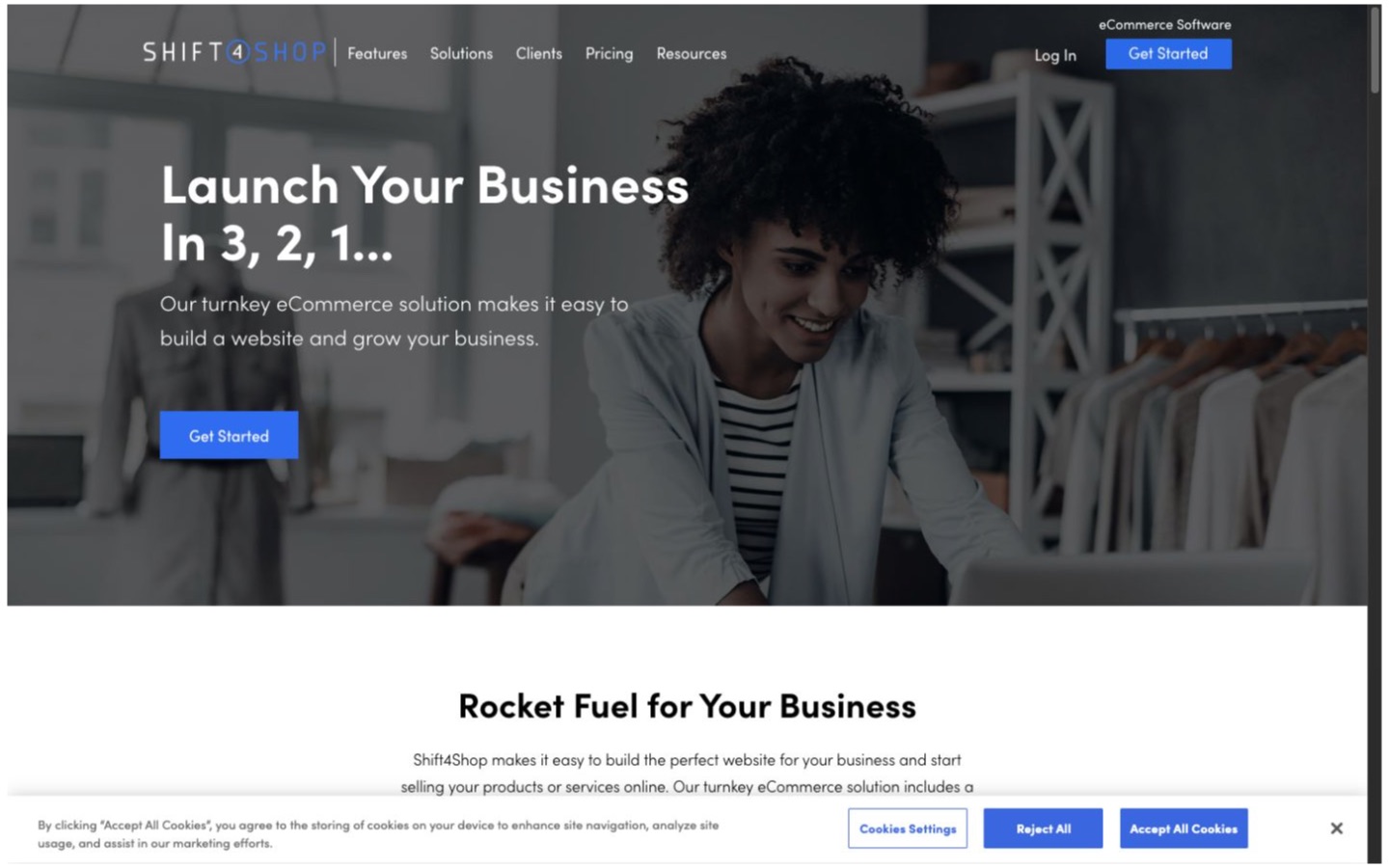
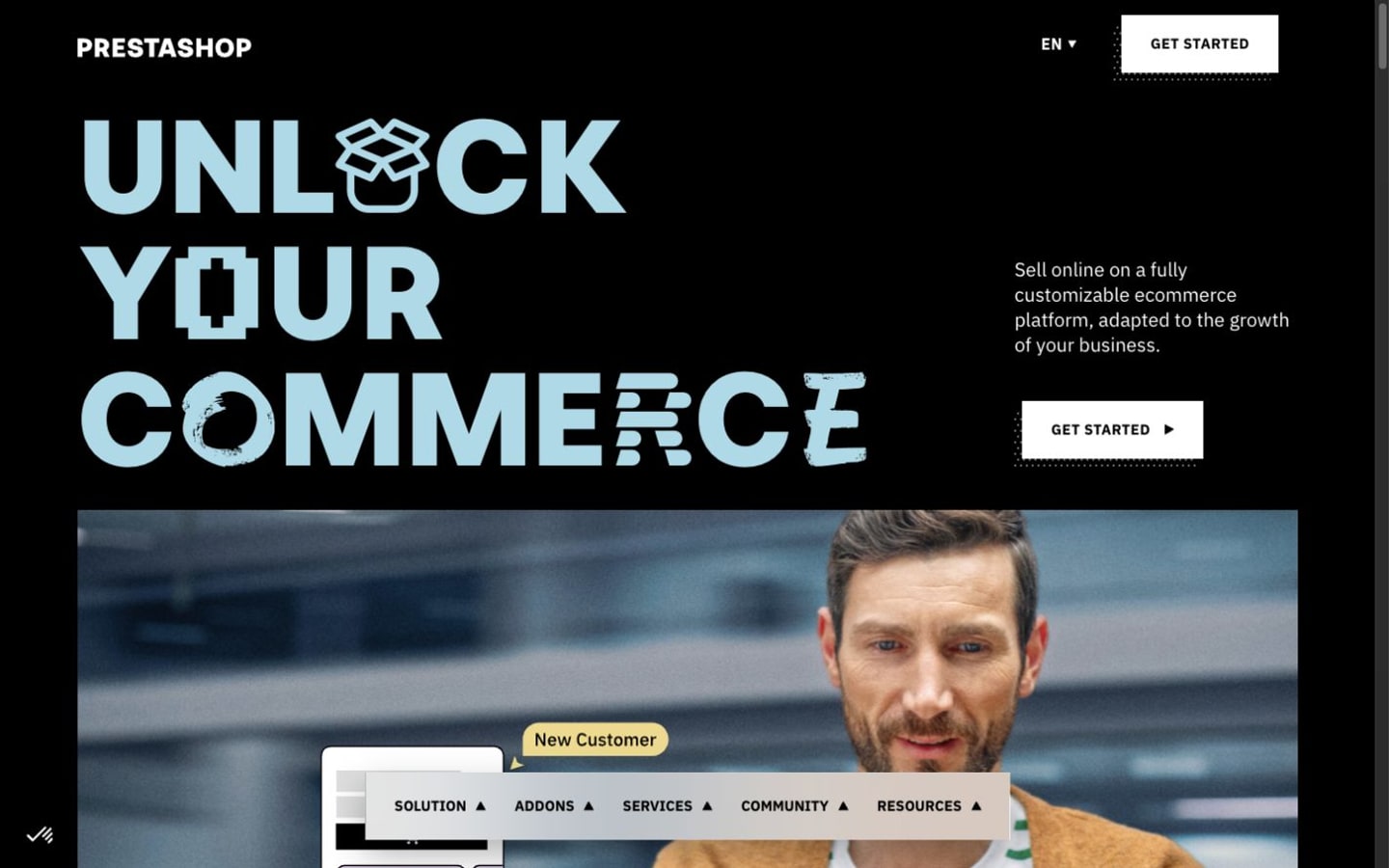
Ecommerce management software for different business models, from an owner-run store to content-led commerce, wholesale, international selling, and a self-hosted operation.
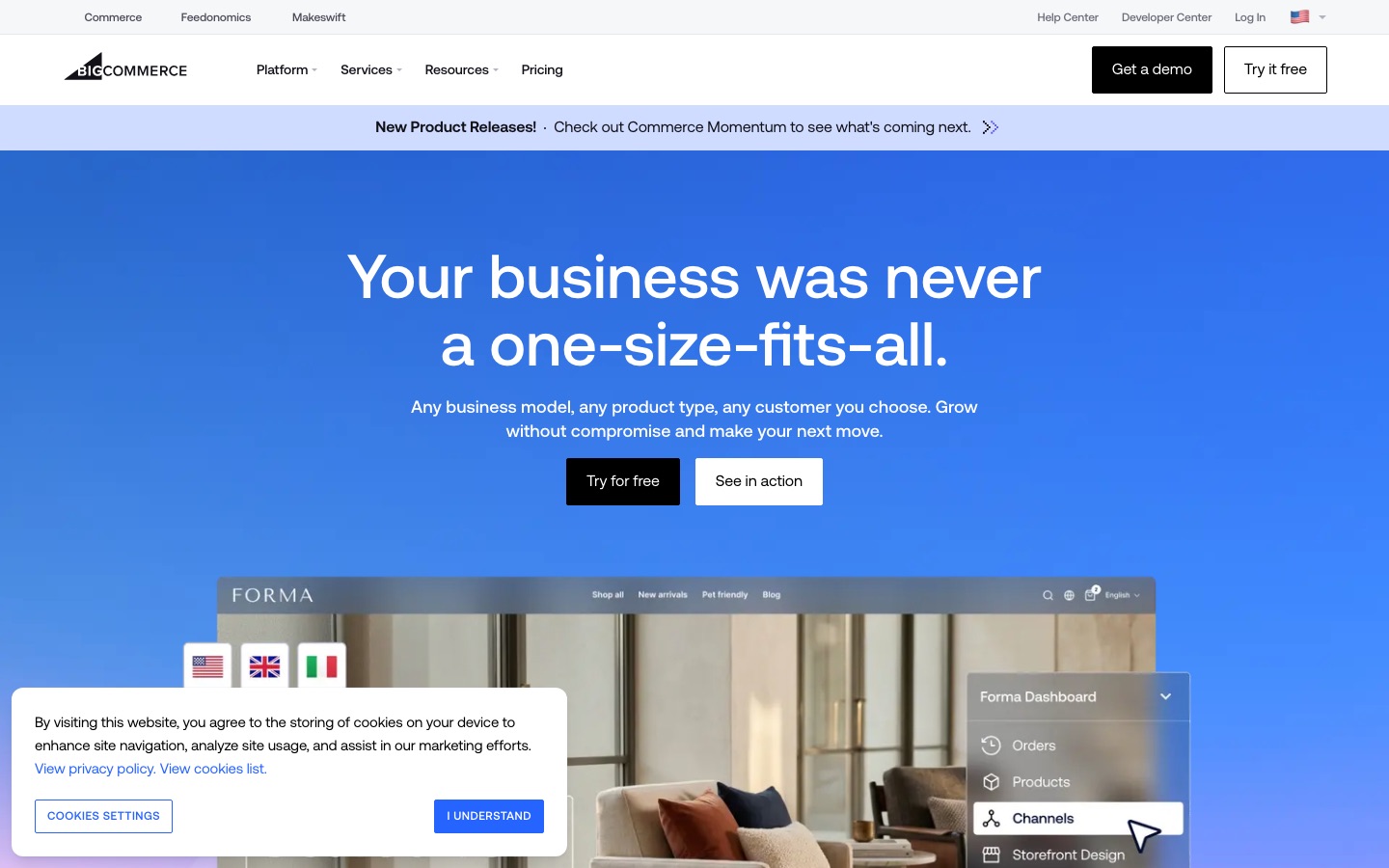
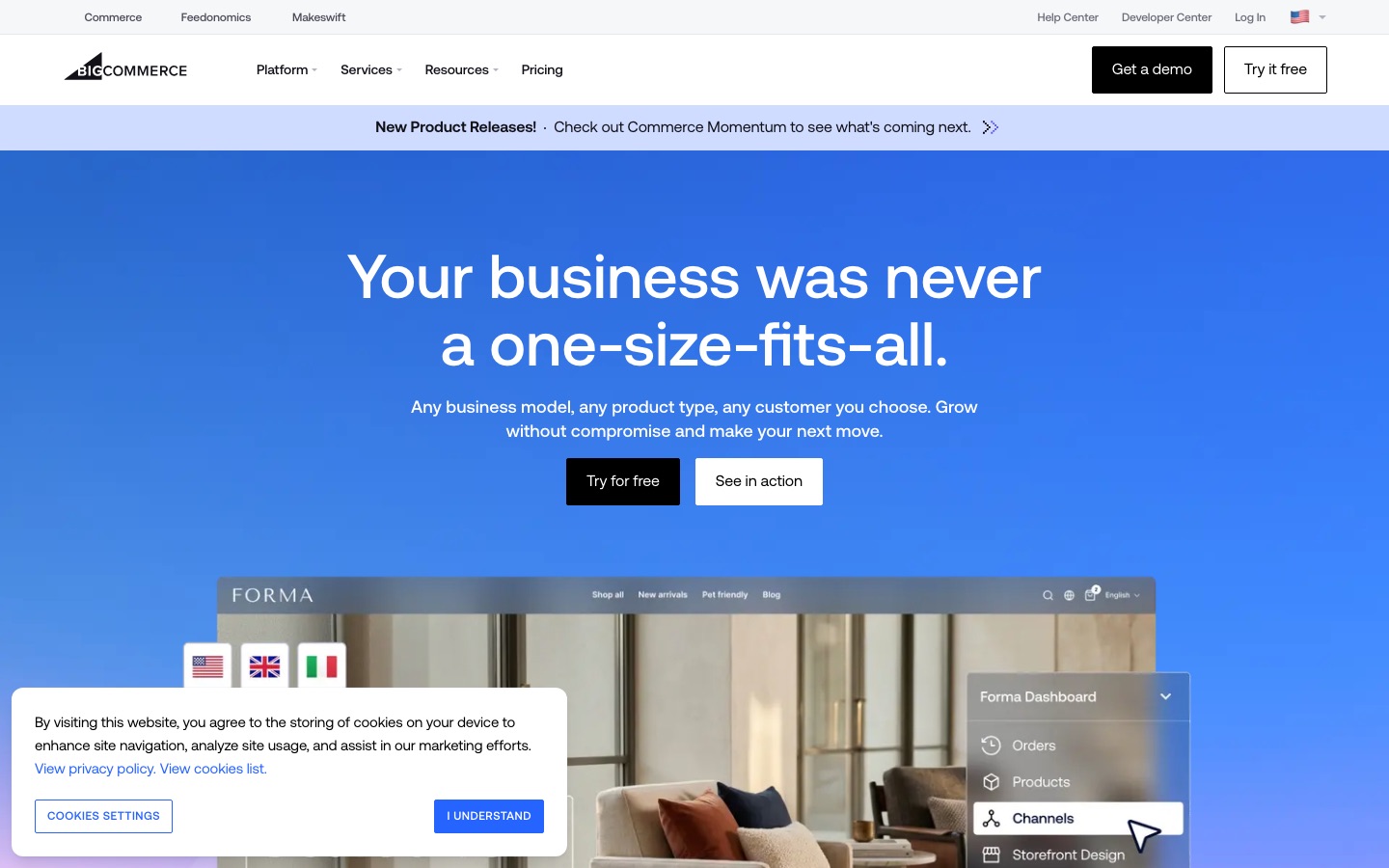
Compare Shopify and BigCommerce for growing retailers, including plan triggers, payment-provider costs, B2B, checkout control, multiple storefronts, staff access, APIs, exports, and migration risk.
Start with catalog complexity, checkout needs, payment options, and the integrations your team already depends on.
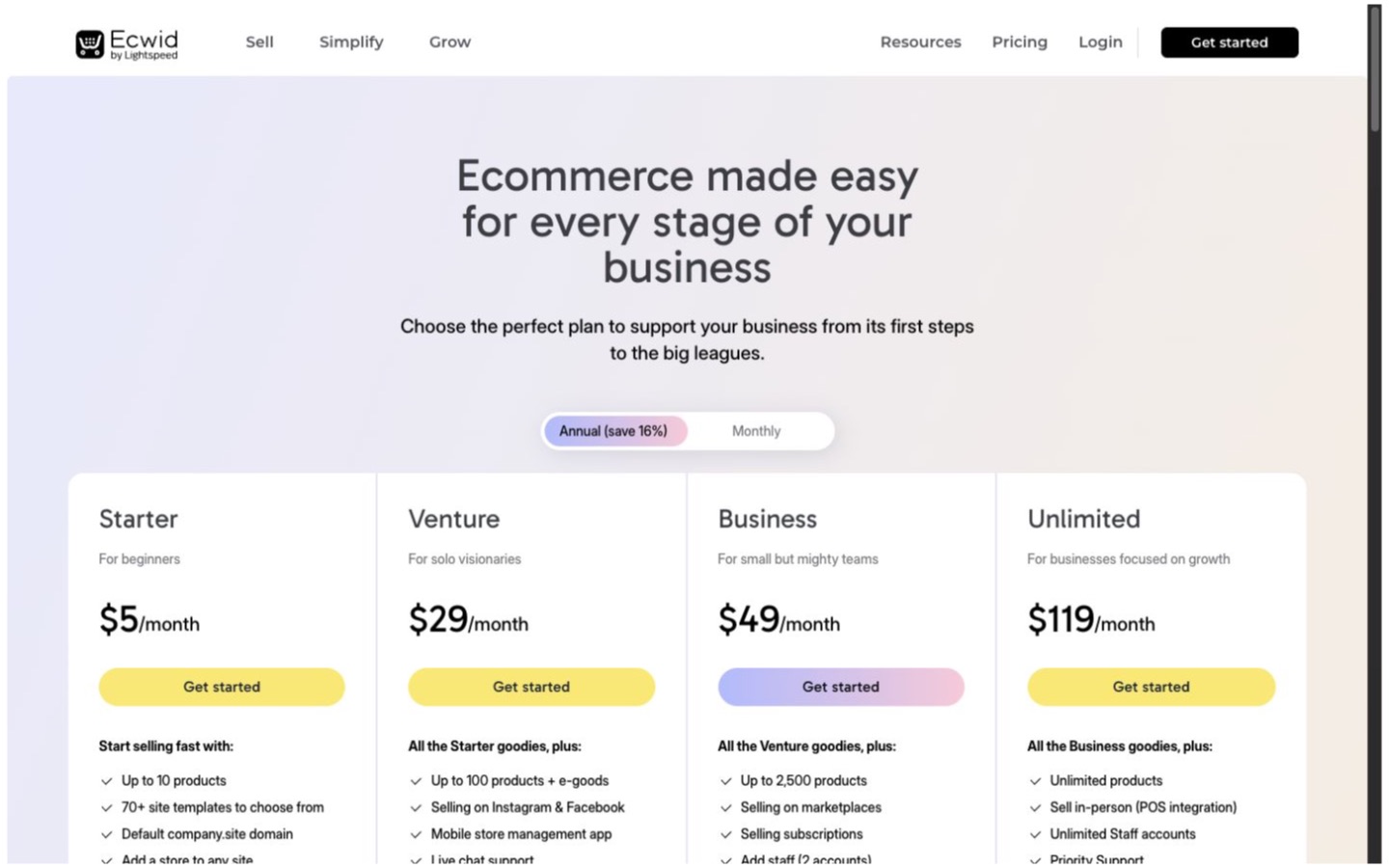
Consider the real cost of themes, apps, development help, transaction fees, and migration work, not only the advertised monthly plan.
For growing teams, prioritize operational fit: inventory flows, reporting, permissions, and support quality matter after launch.
FAQ
What should merchants compare first?
Compare total cost, storefront flexibility, checkout options, integrations, migration effort, and how easily the platform supports your current operating model.
Is the cheapest platform usually best?
Not always. A cheaper platform can become expensive if it requires extra apps, custom development, or manual work to support daily operations.
Build the rest of your stack
Related software categories
Merchants evaluating Ecommerce Platforms often need to coordinate these adjacent parts of the commerce stack.