The short answer
Zoho is the easier entry; Cin7 Core is the larger operational commitment
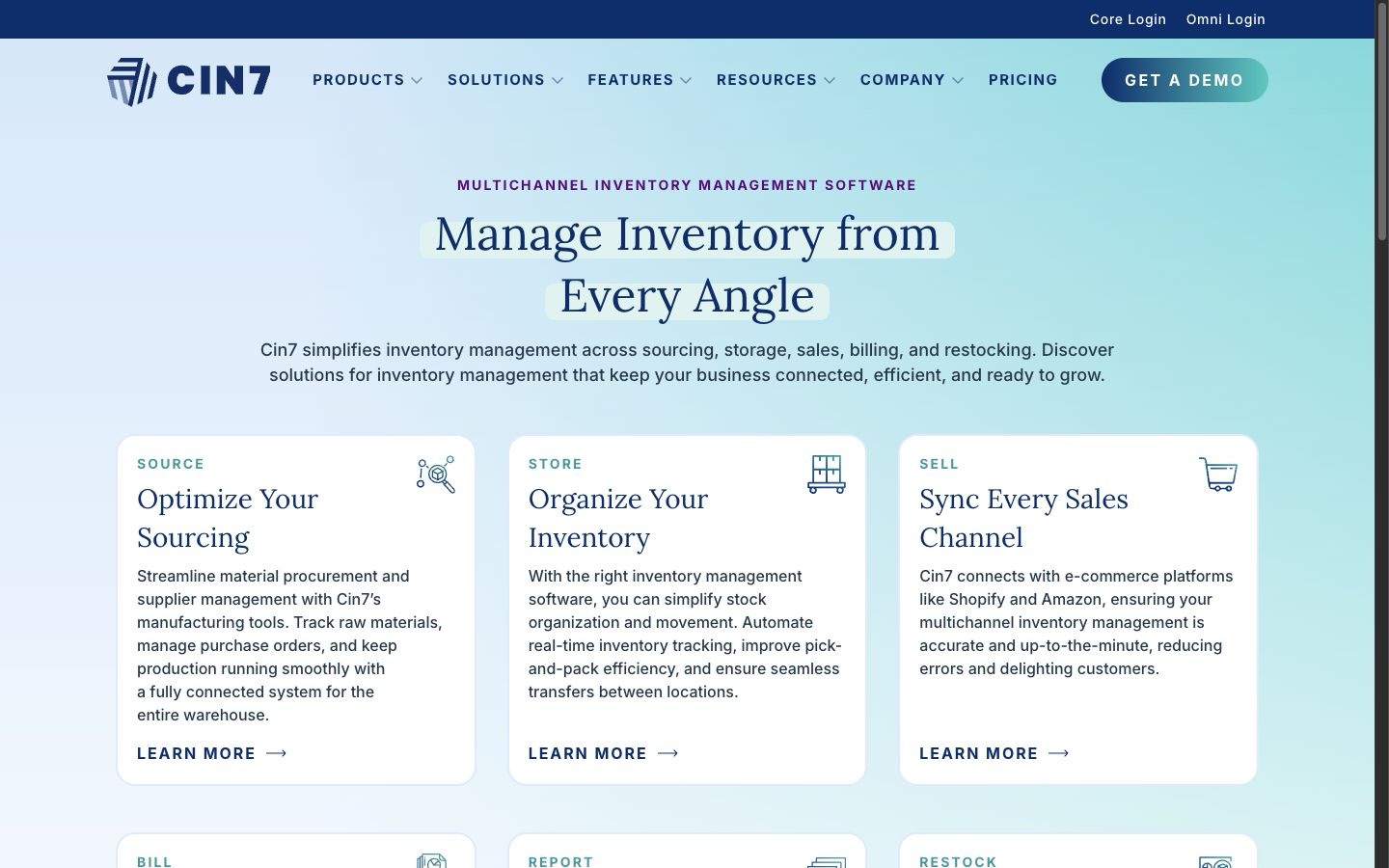
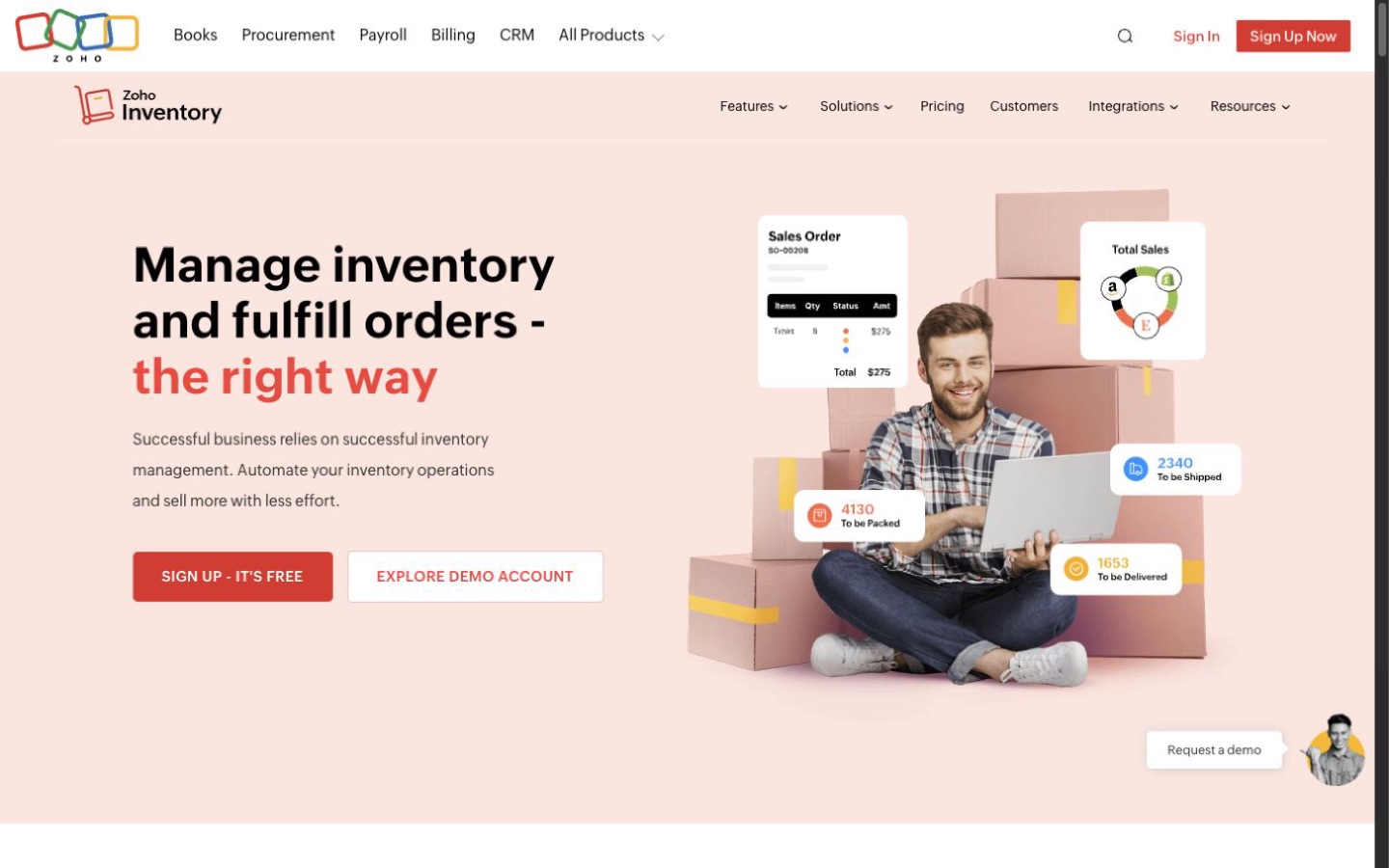
Zoho Inventory is the more approachable starting point for a small seller that needs orders, purchasing, several locations, and direct ecommerce connections at a lower monthly cost. Cin7 Core makes more sense when the business can justify a much larger budget for higher order capacity, unlimited inventory locations, broader production tools, and a wider integration environment.
Do not buy for the company you hope to become in five years. Count today's orders, SKUs, users, locations, sales channels, assemblies, batches, purchase orders, and exceptions. The better system is the smallest one that can handle those real workflows with room for the next two years.
| Business situation | Where to start | Why |
|---|---|---|
| A small seller is replacing spreadsheets | Zoho Inventory | Its free and lower-cost paid tiers create a more practical first step. |
| The business runs several warehouses on a limited budget | Compare Zoho plans | Its plan table clearly scales locations, users, orders, purchase orders, and bins. |
| Manufacturing, assemblies, batches, and wider operations are central | Test Cin7 Core | Core documents a broader production path, with more advanced capabilities and add-ons by plan. |
| Shopify and Amazon feed one stock ledger | Test both | Both document direct channel connections; product mapping, order timing, returns, and stock updates decide the fit. |
| Annual sales orders exceed Zoho's plan limits | Price Cin7 Core | Cin7 publishes much larger annual order allowances, although its entry price is substantially higher. |
| The team cannot assign an implementation owner | Choose neither yet | Bad SKU, cost, warehouse, and channel data will move into either product and become harder to fix. |
Price and scale
The entry prices are far apart
Zoho's current US plan table (opens in a new tab) ranges from a free plan with 50 monthly orders, one user, and one location to Enterprise at $249 per organization per month when billed annually. Standard is $29 annually billed and includes 500 monthly orders, three users, and two locations. Higher tiers increase orders, purchase orders, users, locations, bins, and API calls.
Cin7's current pricing page (opens in a new tab) starts Core Standard at $349 per month for five users, two ecommerce or app integrations, 6,000 sales orders per year, and unlimited inventory locations. Pro is $599 with ten users, four integrations, 24,000 annual sales orders, and material requirements planning. Advanced is $1,199 with 15 users, six integrations, 120,000 annual sales orders, and advanced warehouse management.
Include onboarding, extra users, integrations, order volume, API access, B2B portals, point of sale, automation, warehouse tools, and manufacturing add-ons. A higher plan can be sensible, but only when the operation will use what it pays for.
Channels and orders
Map every storefront before comparing integrations
Zoho's Shopify guide (opens in a new tab) documents automatic order sync and stock updates. Cin7 Core's setup guide (opens in a new tab) lists Shopify, Amazon, eBay, Etsy, WooCommerce, and Magento connections, while each plan includes a limited number of external integration licenses.
For Amazon, Cin7's connection guide (opens in a new tab) covers product and order downloads, stock updates, multiple stores, and a separate FBA connection. Each Amazon store uses an integration connection, and an Amazon Seller Pro account is required.
Test one product with variants, one bundle, one cancellation, one partial shipment, one refund, and one order fulfilled by a marketplace. Confirm who owns the SKU, listing, available quantity, price, tax, fulfillment status, and tracking number after every change.
Warehouses and stock
Unlimited locations do not automatically mean a better warehouse
Cin7 Core Standard lists unlimited inventory locations and standard warehouse management. Pro can add advanced warehouse management, while Advanced includes it. Core also documents product management, barcode scanning, kits, bills of materials, batch and expiration tracking, assemblies, and progressively deeper manufacturing.
Zoho scales from one to ten locations across its current plans. Its warehouse guide (opens in a new tab) covers transfers, primary locations, user restrictions, and warehouse-specific visibility. Paid tiers add capabilities such as bins, batches, serials, picklists, replenishment, putaways, and move orders at different levels.
Walk a real receipt from purchase order to dock, bin, pick, pack, transfer, adjustment, return, and stock count. A warehouse count is useful only when staff can keep it accurate during normal work.
Purchasing and production
The production boundary may decide the product
Zoho's replenishment workflow (opens in a new tab) can flag low stock and help create purchase or transfer orders from reorder rules. Its composite items (opens in a new tab) support kits, assemblies, bundles, and eligible serial or batch tracking.
Cin7 Core documents standard assembly manufacturing on Standard, material requirements planning on Pro, and more advanced production capabilities and add-ons higher in the range. That broader path is relevant when bills of materials, work in progress, batches, resources, or production scheduling are core operations rather than occasional kitting.
Build one real assembly in each trial. Receive components, consume them, record waste, create the finished item, adjust a batch, and calculate cost. If the workflow needs a spreadsheet beside the application, the test has found an implementation gap.
Users and control
Design roles around jobs, not titles
Zoho's role guide (opens in a new tab) supports predefined and custom roles. Warehouse restrictions can limit which locations a user sees. Cin7 Core plans include five, ten, or 15 users, with more users available for purchase, and its connections and add-ons are managed through the subscription.
Create the owner, buyer, warehouse lead, picker, customer-service agent, and accountant roles. Check who can change cost, receive a purchase order, adjust stock, edit a product, connect a channel, view every warehouse, and export data. Do not let implementation end with everyone using the owner account.
Implementation
Clean the operating data before it enters either system
Cin7's subscription guide (opens in a new tab) separates the base plan, add-ons, and other costs. Its add-on list (opens in a new tab) shows how users, sales volume, automation, RMA, advanced WMS, manufacturing, MRP, and other capabilities can change the final setup.
Before migration, remove duplicate SKUs, settle negative stock, choose one unit of measure, verify opening costs, document bundles, map channel products, and name the owner of every integration. Freeze a cutover time and keep reconciliation reports from the old system.
A practical test
Run 50 orders and a complete stock cycle
- Import a clean sample covering simple items, variants, kits, assemblies, serials, and batches.
- Connect the sales channels and locations the business will keep.
- Receive one purchase order, transfer stock, count a bin, and correct an error.
- Process 50 past orders with cancellations, partials, marketplace fulfillment, and returns.
- Build one real assembly and confirm its cost and component quantities.
- Give each worker the intended role and complete the job without owner access.
- Reconcile ending quantity, inventory value, open orders, purchases, and accounting entries.
- Price the full year, implementation work, add-ons, and likely next plan.
Decision
Choose the smallest system that survives the real workflow
Choose Cin7 Core when
Higher order capacity, unlimited locations, broader integrations, manufacturing depth, and a longer operational path justify its larger subscription and implementation commitment.
Read the Cin7 Core profileChoose Zoho Inventory when
A small or midsize seller needs a lower-cost route into multichannel orders, purchasing, several locations, stock control, and Zoho's wider business suite.
Read the Zoho Inventory profileChoose neither yet if SKU, cost, channel, and warehouse records are still unreliable. Start with the inventory shortlist for Shopify and Amazon sellers before committing to a larger implementation.
If Zoho fits the test, review Zoho Inventory's current plans (opens in a new tab) at the order, user, location, and integration level the business expects to need.
Editorial method
How this comparison was researched
Commerce Stack Guide reviewed 12 official Cin7 and Zoho pages on August 21, 2026. The research covered current US pricing, order limits, users, integrations, Amazon and Shopify, warehouses, purchasing, replenishment, composites, manufacturing, add-ons, and implementation effort. The article responds to repeated Cin7 searches in early Search Console data.
This is documentation research. No live channel, warehouse, stock count, purchase order, production run, accounting sync, support case, or migration was tested. Plans, limits, add-ons, and integrations change. Verify the final scope and quote with each vendor.
Evidence
Official sources
- CZI01: Cin7 Pricing
Cin7 Core
- CZI02: Cin7 Core
Cin7 Core
- CZI03: Getting Started with Cin7 Core
Cin7 Core
- CZI04: Connect Cin7 Core to Amazon
Cin7 Core
- CZI05: Manage a Cin7 Core Subscription
Cin7 Core
- CZI06: Cin7 Core Add-ons and Integrations
Cin7 Core
- ZCI01: Zoho Inventory Pricing Comparison
Zoho Inventory
- ZCI02: Zoho Inventory Shopify Integration
Zoho Inventory
- ZCI03: Zoho Inventory Warehouses
Zoho Inventory
- ZCI04: Zoho Inventory Users and Roles
Zoho Inventory
- ZCI05: Zoho Inventory Replenishment
Zoho Inventory
- ZCI06: Zoho Inventory Composite Items
Zoho Inventory