The short answer
Different businesses need different winners
A one-person shop printing 20 labels a week does not need the same setup as a five-person warehouse shipping from three sales channels. We started with that difference, then looked at carrier access, batch work, automation, returns, international paperwork, user access, and the way each vendor charges.
There is no single winner here. Pirate Ship keeps a simple US operation light. Shippo offers an easy entry point and room for API work. ShipStation suits a team that needs repeatable rules. Easyship is the most natural fit in this group for cross-border checkout questions. Ordoro earns a place when shipping is tied closely to purchasing or dropshipping.
A useful decision rule
Choose for the hardest 10% of orders. Normal labels are easy; split shipments, address problems, returns, international forms, and carrier exceptions are where the workflow earns its keep.
The shortlist
The best fits, by business situation
Best for a simple US shipping desk
Pirate Ship
A small team mainly using USPS and UPS that wants labels without a monthly software fee.
Why it made the list
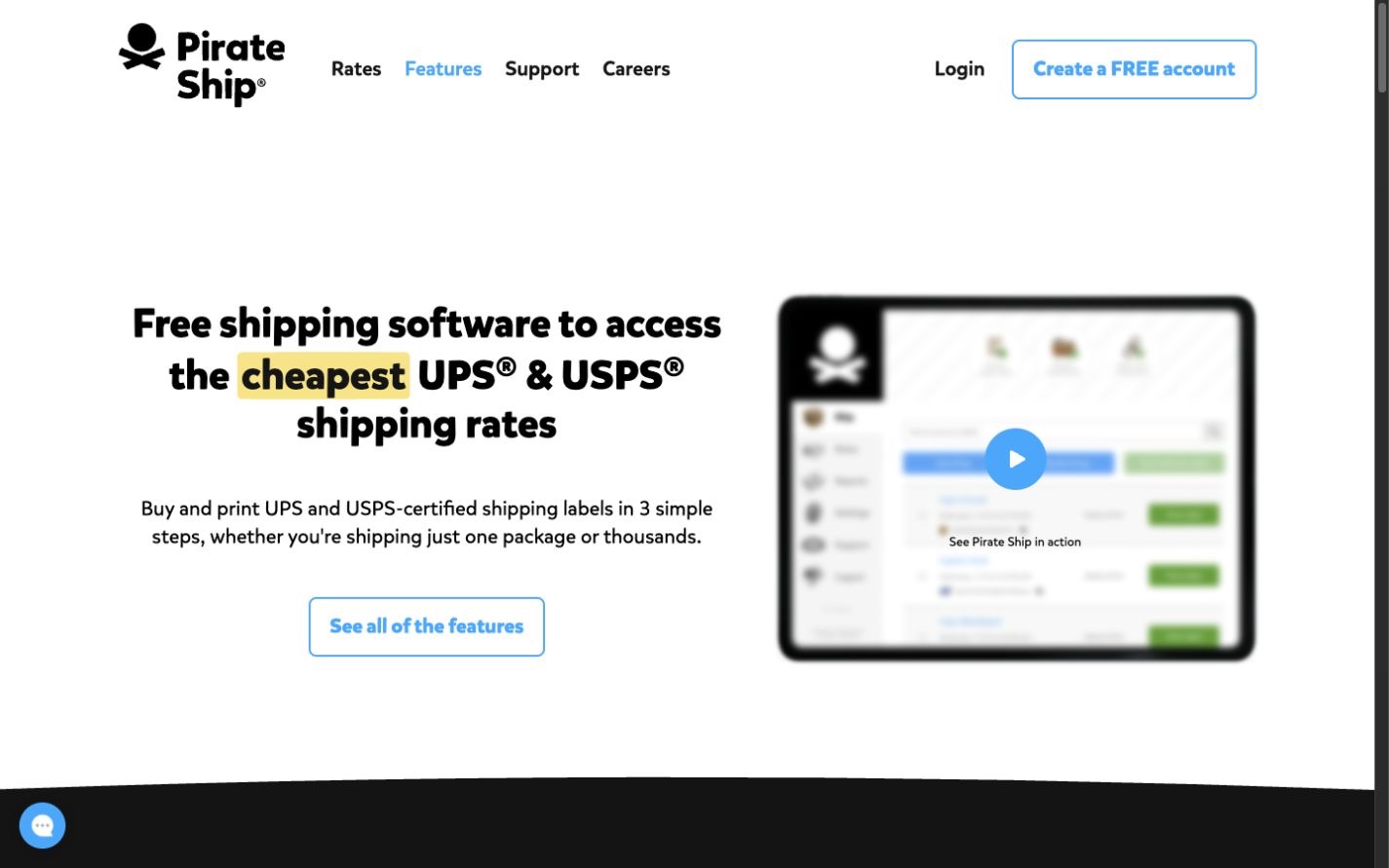
Pirate Ship keeps the job narrow: compare rates, import orders, create single or batch labels, send tracking emails, and handle returns. Its official feature page says there are no monthly fees and unlimited users, which makes it unusually easy to try without redesigning the operation.
The tradeoff
The narrow carrier and workflow focus is the point, but it can become a limit for a merchant that needs deep warehouse rules, broad international checkout tools, or a large carrier network.
What to verify
Connect one store, import a mixed batch, test both printers, and confirm the exact carrier services used by the business.
Best for a low-volume store that may need an API later
Shippo
A small merchant wanting a free starting tier, several store connections, or a path from app to API.
Why it made the list
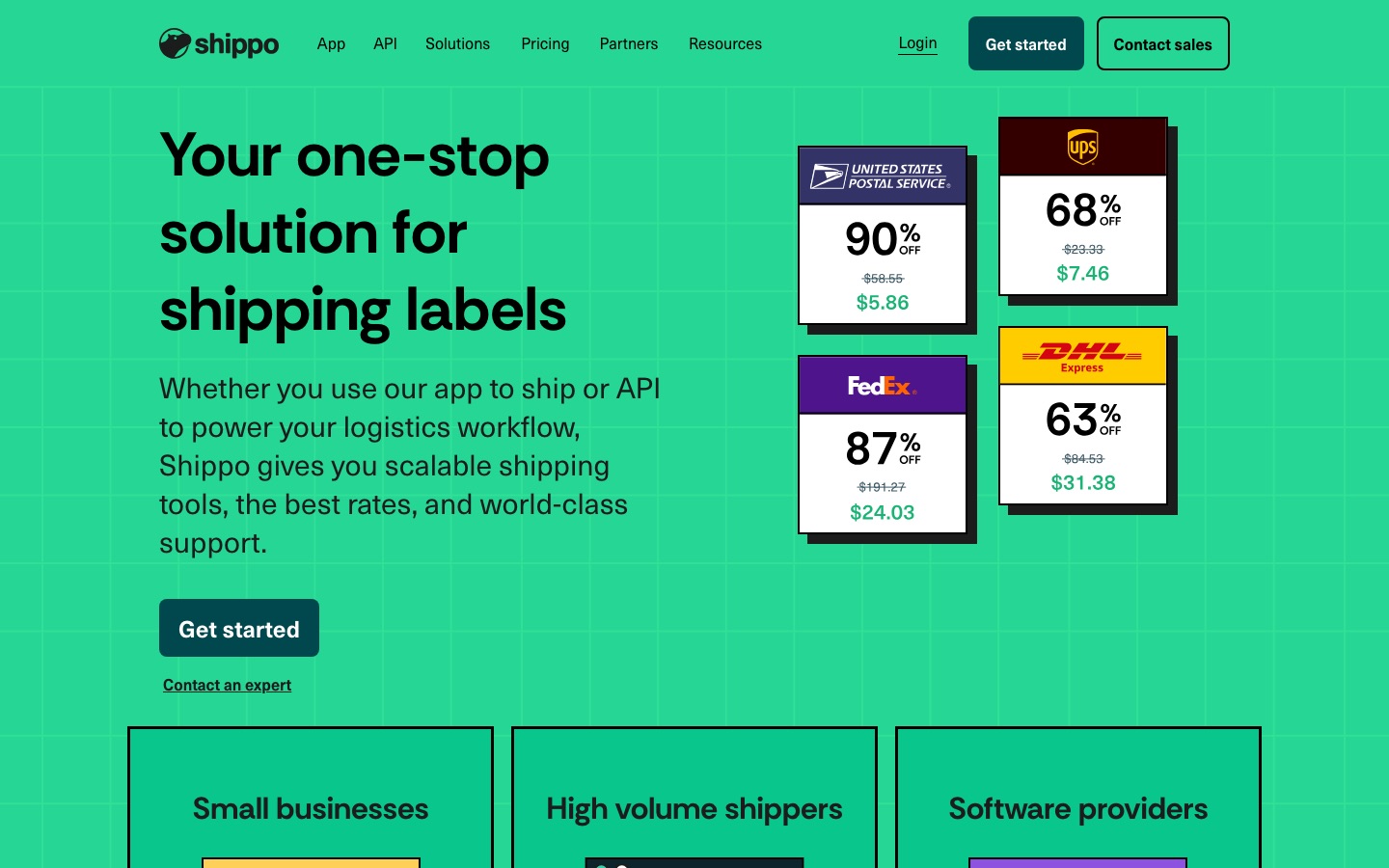
Shippo combines a merchant app with separate developer tools. The current plan page lists store connections, labels, tracking, returns, customs documents, and automation, with user and volume limits that rise by plan.
The tradeoff
Costs are not only the subscription. Own-carrier-account fees, address checks, label volume, extra users, and API calls can matter, so a growing store should model its real usage.
What to verify
Price one quiet month and one peak month, then test label edits, branded tracking, and a return before choosing a plan.
Best for a growing multichannel shipping team
ShipStation
A team that needs saved views, batches, automation rules, more user control, and repeatable packing work.
Why it made the list
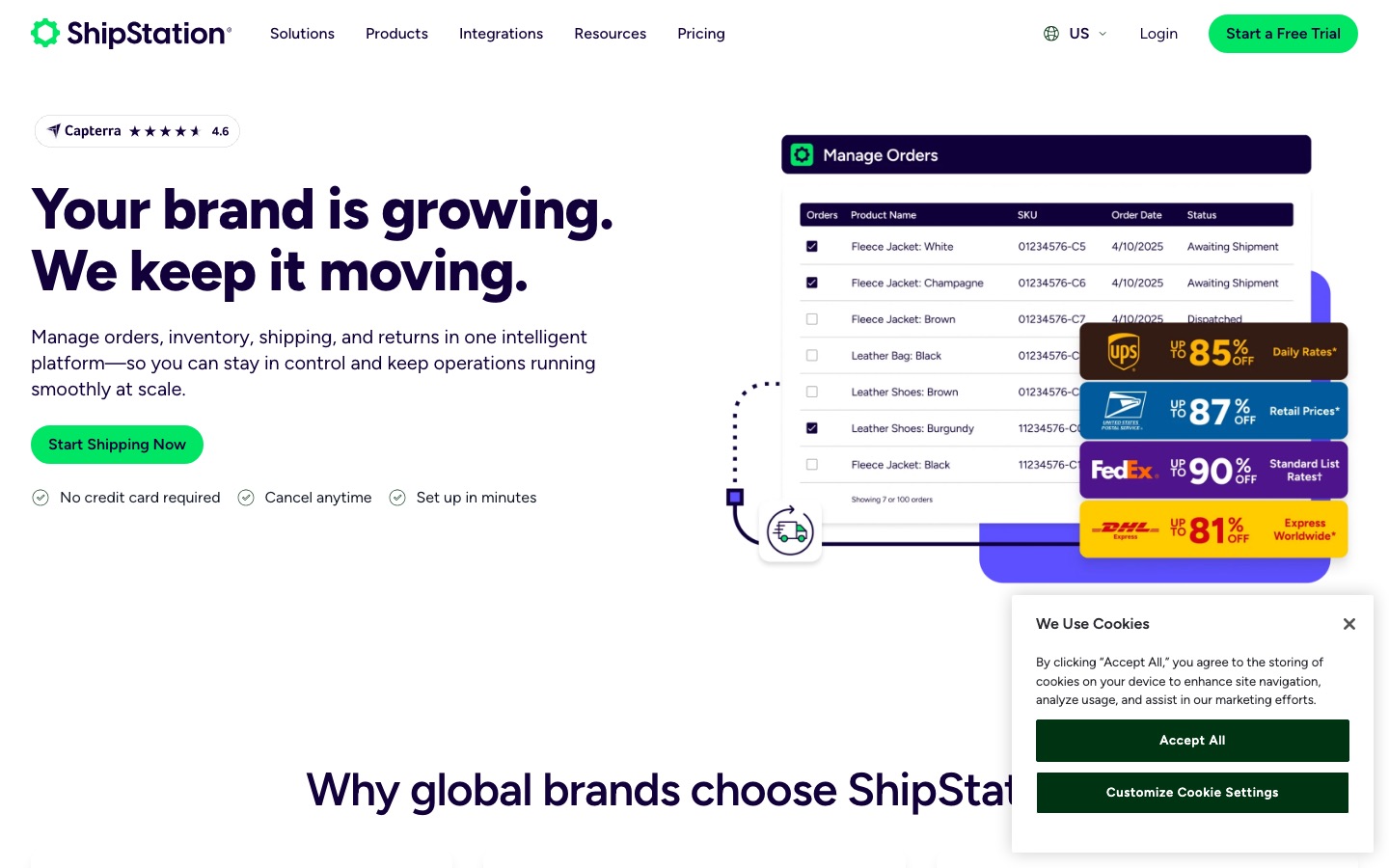
ShipStation is strongest when shipping has become a shared operating process rather than a task one owner completes. Its plan and help materials cover order imports, carrier connections, automation, batches, tracking, returns, and plan-based user and shipment limits.
The tradeoff
A very small shop may spend time configuring a system it does not yet need. Plan limits, add-ons, carrier terms, and the learning curve belong in the cost comparison.
What to verify
Run a 25-order batch with tags, two package types, an address correction, a split order, and a return. Watch what staff still has to fix by hand.
Best for cross-border shipping decisions
Easyship
A merchant selling internationally that wants duties, taxes, courier choices, and checkout promises in the same conversation.
Why it made the list
Easyship stands out for international rate options and tools built around duties, taxes, customs, and delivery choices. That is more useful than a long carrier list when overseas landed cost and delivery expectations affect conversion.
The tradeoff
International capability brings more setup. Confirm which features, users, stores, couriers, and support levels are included in the plan you would actually buy.
What to verify
Quote the same product to three real destination countries, including duties, restricted-item questions, labels, customs forms, tracking, and a return path.
Best when shipping and inventory work overlap
Ordoro
A seller that wants shipping beside purchasing, inventory updates, kits, or dropship routing.
Why it made the list
Ordoro is worth a look when the shipping desk is also solving order routing and stock questions. Its plans combine shipping and order management, with broader inventory and vendor workflows available above the basic shipping tier.
The tradeoff
It is a broader operations tool, so the merchant should compare it with the inventory or order system already in place and avoid creating two owners for stock.
What to verify
Map who owns inventory quantity, purchase orders, kits, dropship orders, and shipment status before connecting every channel.
How to choose
Four questions that matter more than a feature count
Daily speed
How quickly staff can import, fix, batch, print, and close out ordinary orders.
Exception handling
Address errors, split orders, returns, voids, international forms, and carrier failures.
Real cost
Subscription, labels, own carrier accounts, users, stores, API calls, insurance, and support.
Room to grow
Automation, permissions, multiple locations, branded tracking, and developer access.
Cost
Price the working system, not the first subscription
Shipping cost is software plus postage, carrier-account terms, insurance, label volume, users, stores, hardware, and staff time. Compare a normal month and a peak month instead of relying on an introductory price.
Other credible options
Good products that did not get a main recommendation
Sendcloud
A credible shipping platform, especially in Europe, but less direct for this US-focused small-business shortlist.
View the profileShippingEasy
A valid small-business option, but ShipStation covers the stronger team-and-automation case in this five-product group.
View the profileBefore you commit
Run a small, reversible test
- Import 25 representative orders without changing live fulfillment.
- Create labels for the usual services and package presets.
- Fix one bad address, split one order, and void one label.
- Create an international shipment and a return.
- Let each intended user complete the work with the right permissions.
- Record total clicks, exceptions, charges, and the clean rollback steps.
Editorial method
How this shortlist was built
Commerce Stack Guide defined the business situations and candidate group before considering affiliate relationships. We reviewed current official vendor pages, matched products to distinct operating needs, and kept tradeoffs and verification steps beside every recommendation.
This is source-based workflow analysis, not hands-on testing. Product limits and prices change, so the list is a starting point for a controlled trial—not a promise that one product will fit every store.
Sources