The short answer
Different businesses need different winners
The difficult part of marketplace selling is not seeing orders in one list. It is deciding which orders are safe to release, which location should fulfill them, what quantity remains available, how changes return to the channel, and who fixes an exception before a customer notices.
Order Desk is the approachable automation hub. Veeqo is attractive for an Amazon-centered seller that also ships other channels. Linnworks suits a growing multichannel operation. Brightpearl fits a retail brand that wants orders near purchasing, inventory, accounting, and retail operations. Fluent Order Management is for a larger distributed-routing program.
A useful decision rule
Choose one owner for order state and one owner for inventory. A central order screen is useful only when every channel, warehouse, and customer update follows those decisions.
The shortlist
The best fits, by business situation
Best flexible starting point for unusual routing
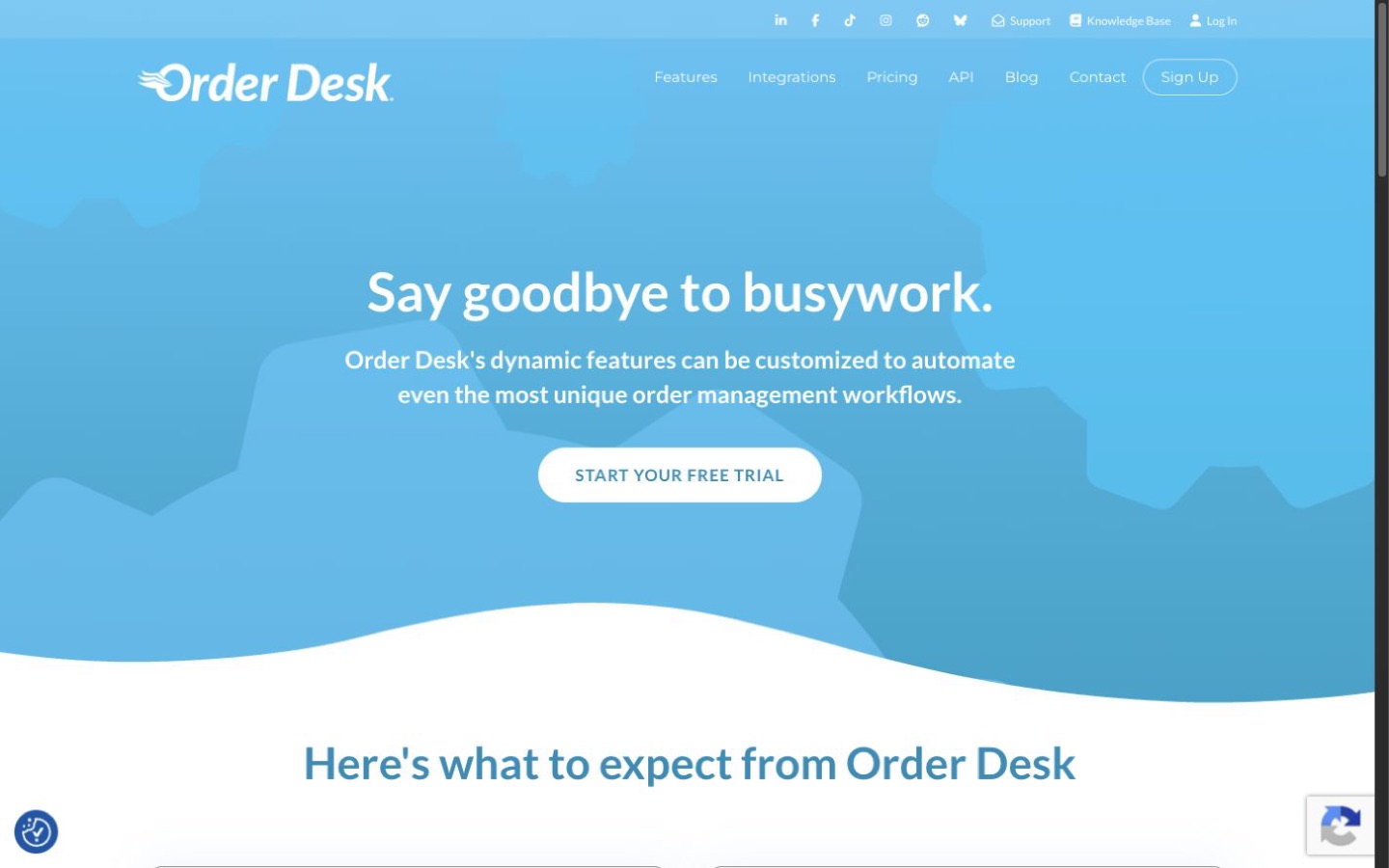
Order Desk
A small or midsize seller, publisher, print-on-demand business, or merchant with several suppliers and fulfillment partners.
Why it made the list
Order Desk combines integrations, custom exports, and a rule builder in a relatively accessible service. Its current plans include all core features, with pricing that combines a monthly fee and a per-order charge. Pro adds unlimited integrations and users.
The tradeoff
Order Desk is an order-routing layer, not a full warehouse, accounting, or enterprise inventory suite. The merchant still needs clear owners for stock, purchasing, returns, and financial records.
What to verify
Connect one store and two fulfillment destinations, then test split routing, a held order, cancellation, address change, tracking return, duplicate protection, and failure alerts.
Best for an Amazon-centered multichannel seller
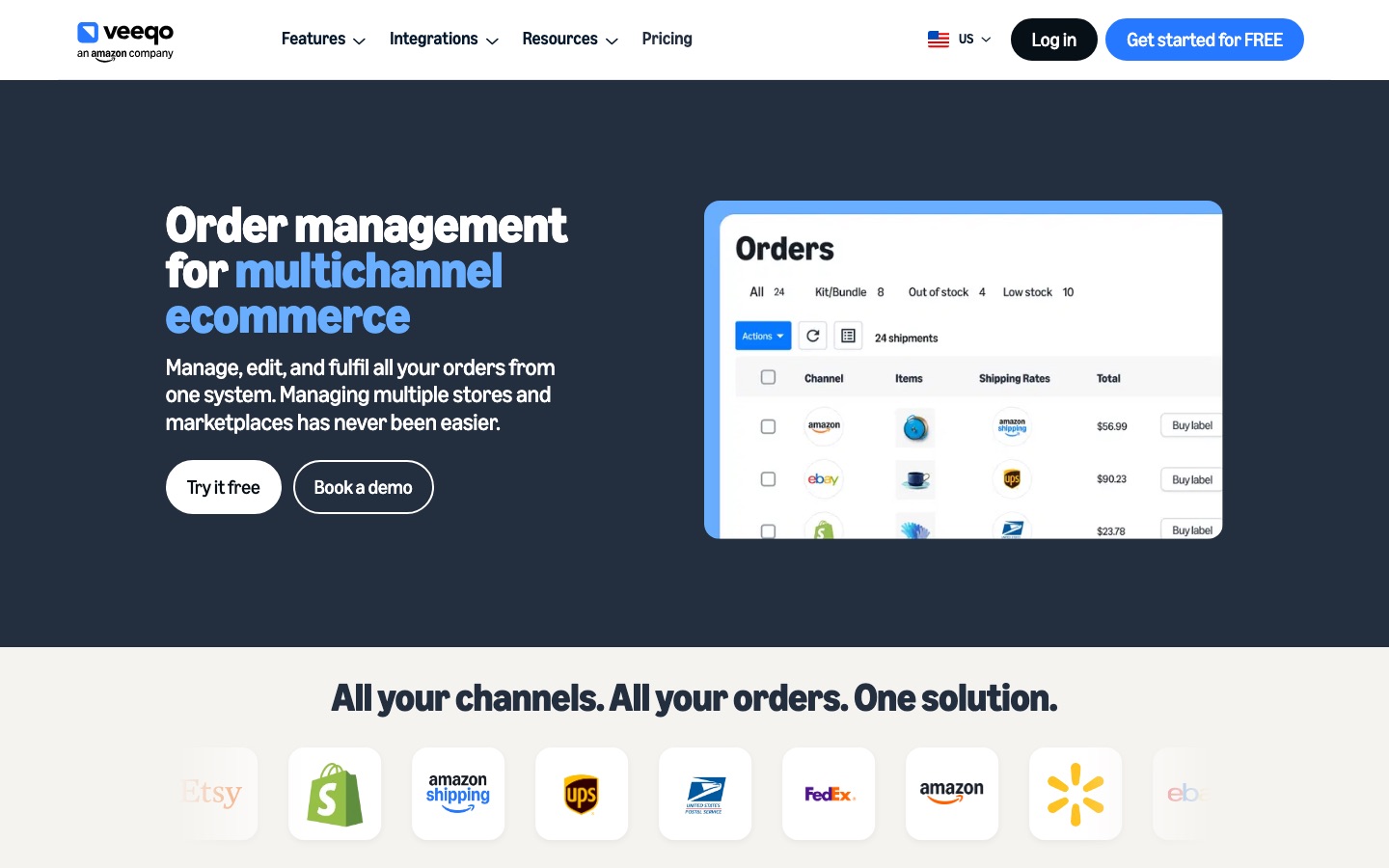
Veeqo
A seller using Amazon alongside Shopify, eBay, Walmart, WooCommerce, or other channels and wanting shipping and inventory in the same conversation.
Why it made the list
Veeqo's current US pricing includes a free shipping plan with unlimited users, products, and warehouses, plus paid inventory and high-volume paths. It connects Amazon and other major channels and can add stock sync, forecasting, picking, and reporting.
The tradeoff
Its commercial model and product direction are closely tied to shipping and Amazon. Confirm the exact inventory, listing, carrier, marketplace, and data-handling fit for the business.
What to verify
Import Amazon and non-Amazon orders, compare FBA and merchant-fulfilled behavior, update stock, cancel an order, ship a batch, return one item, and reconcile every channel.
Best for a growing multichannel operation
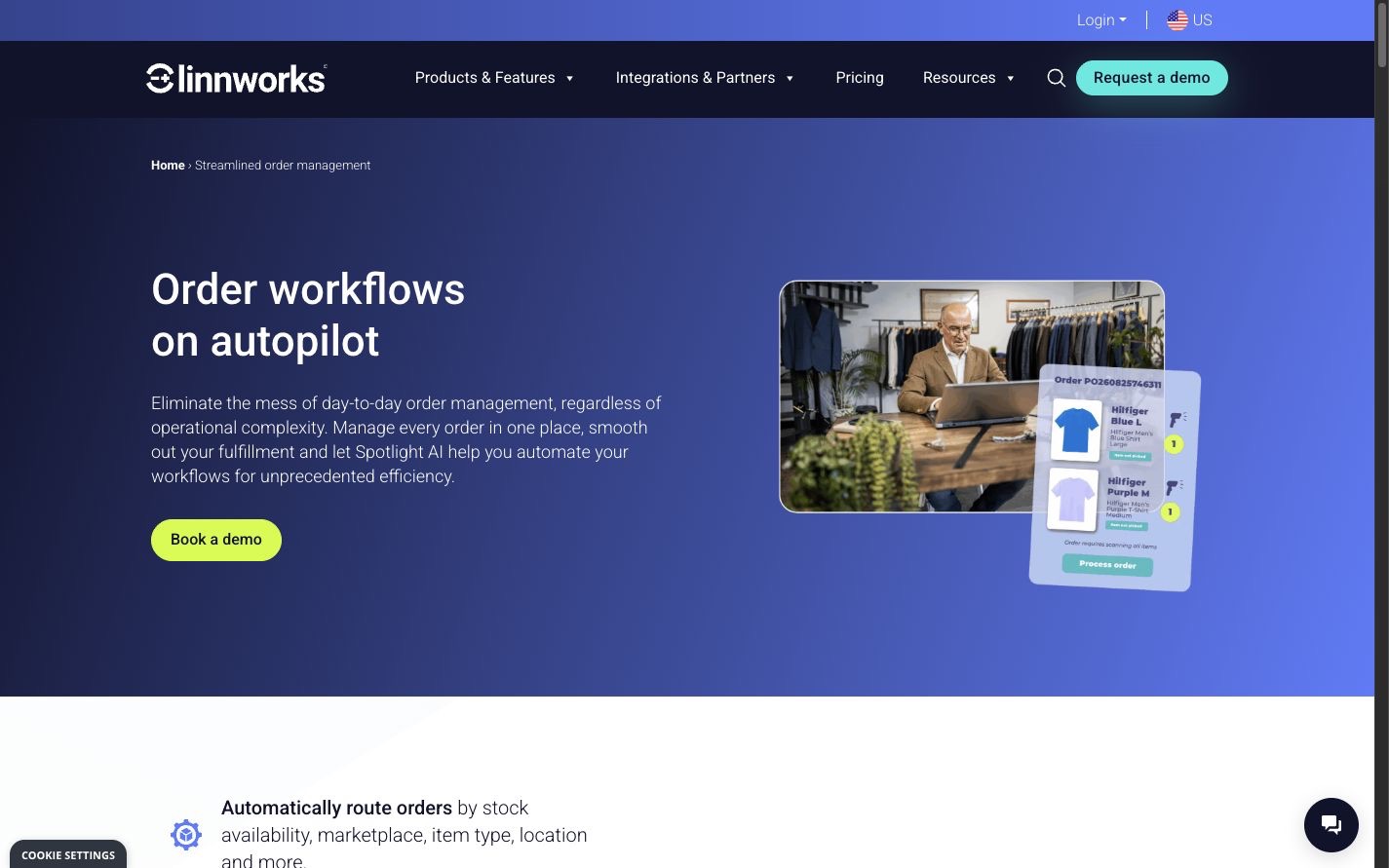
Linnworks
A seller that needs centralized orders, listings, inventory, warehouse work, shipping, automation, and a broader integration environment.
Why it made the list
Linnworks covers order management beside inventory, warehouse, listings, shipping, forecasting, and ecommerce automation. Its current pricing is quote-based and tied to order volume with optional modules and onboarding.
The tradeoff
This is a larger implementation than a simple shipping or routing tool. The team should expect discovery, data cleanup, integrations, training, and ongoing system ownership.
What to verify
Require a prototype using real channels, bundles, warehouses, service rules, backorders, returns, permissions, and peak order volume before accepting a quote.
Best for a retail brand joining orders to operations
Brightpearl
A midsize retailer or wholesaler that wants orders connected to inventory, purchasing, accounting, warehouse, and customer operations.
Why it made the list
Brightpearl belongs on the shortlist when the order problem is part of a wider retail operating problem. It can reduce handoffs between commerce, stock, purchasing, fulfillment, and finance when the business is ready for a formal implementation.
The tradeoff
Sales-led pricing and broad scope make a careful requirements process essential. A smaller merchant may solve the immediate problem faster with a narrower tool.
What to verify
Map direct, marketplace, wholesale, return, preorder, transfer, and purchasing workflows, then require acceptance totals and a named implementation owner.
Best for distributed enterprise order routing
Fluent Order Management
A larger retailer coordinating many fulfillment locations, complex availability, routing rules, and custom commerce experiences.
Why it made the list
Fluent Order Management is designed for a distributed order-management program where sourcing and routing logic are strategic. It is relevant when simpler tools cannot model the fulfillment network.
The tradeoff
This requires enterprise architecture, integration, data, testing, operating governance, and a serious delivery team. It is not an entry-level marketplace inbox.
What to verify
Prototype the hardest allocation, split, substitution, pickup, cancellation, return, outage, and oversell cases with production-like volumes and rollback.
How to choose
Four questions that matter more than a feature count
Order truth
One reliable status from import through hold, allocation, shipment, cancellation, return, and refund.
Inventory boundary
A named source for available, reserved, inbound, damaged, and returned quantity across channels.
Routing and exceptions
Rules for location, supplier, service, split orders, backorders, fraud holds, and manual overrides.
Operating size
Orders, channels, locations, users, implementation, integrations, support, and administration at peak.
Cost
Price the working system, not the first subscription
Include the monthly or order-based fee, channels, users, warehouses, connectors, API work, onboarding, data cleanup, scanners, shipping tools, support, and an internal owner. Model normal volume and the busiest month.
Other credible options
Good products that did not get a main recommendation
NetSuite Order Management
A credible ERP-centered order path, but Brightpearl represents the broader operations case more directly for this shortlist.
View the profileSalesforce Order Management
A strong option for a Salesforce-centered enterprise, but beyond the primary small and midsize use cases here.
View the profileExtensiv Order Manager
Worth considering for warehouse and 3PL-oriented operations, but Linnworks covers the growing multichannel case in the main five.
View the profileBefore you commit
Run a small, reversible test
- Select 50 orders across every marketplace and fulfillment route.
- Define the owner of inventory and every order status.
- Import without enabling live updates, then inspect duplicates and field mapping.
- Run holds, splits, partials, cancellations, backorders, returns, and tracking updates.
- Test each user's access and the integration-failure alerts.
- Reconcile orders and stock to every channel before planning cutover.
Editorial method
How this shortlist was built
Commerce Stack Guide defined the business situations and candidate group before considering affiliate relationships. We reviewed current official vendor pages, matched products to distinct operating needs, and kept tradeoffs and verification steps beside every recommendation.
This is source-based workflow analysis, not hands-on testing. Product limits and prices change, so the list is a starting point for a controlled trial—not a promise that one product will fit every store.
Sources