The short answer
Different businesses need different winners
A high block rate is not automatically good fraud prevention. The business has to weigh fraud loss, chargebacks, manual-review time, customer friction, and false declines together. It also needs a safe way to test rules before they affect real buyers.
FraudLabs Pro is the approachable self-service choice. Stripe Radar is the natural first check for a merchant already processing on Stripe. Signifyd stands out when chargeback protection is part of the buying decision. SEON suits a team that wants more signals and decision control. Forter is aimed at a larger identity and commerce program.
A useful decision rule
Keep the first test in shadow mode where possible. Compare what the tool would have decided with known outcomes before allowing it to block, cancel, or refund anything.
The shortlist
The best fits, by business situation
Best self-service starting point
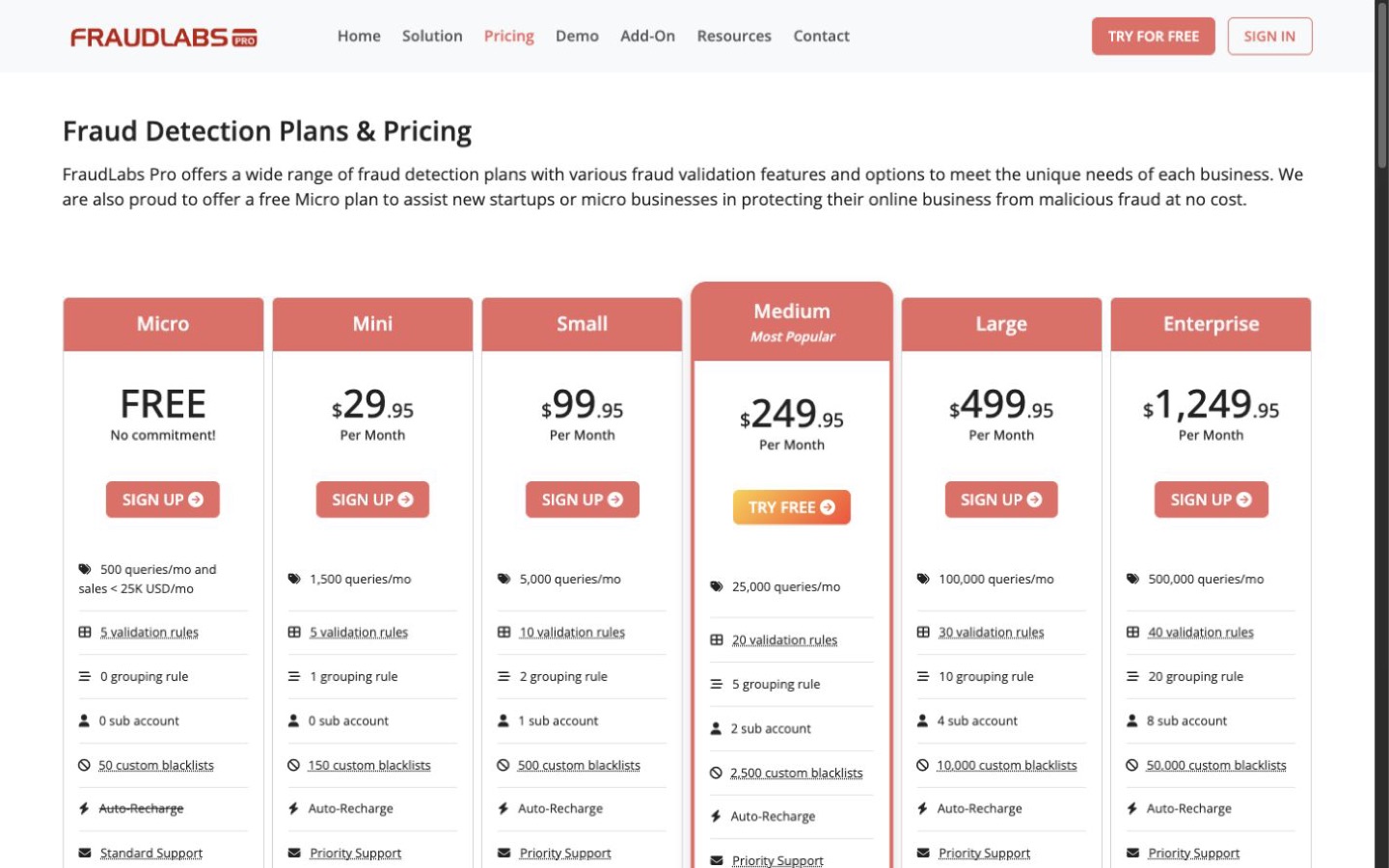
FraudLabs Pro
A smaller ecommerce team that wants a direct rules-and-scoring product with accessible plans and common platform integrations.
Why it made the list
FraudLabs Pro offers transaction screening, risk signals, rules, lists, reporting, and ecommerce integrations without forcing a large enterprise sales process. That makes it reasonable for a merchant creating its first repeatable fraud workflow.
The tradeoff
The team still owns the policy. Poor rules can block good orders or send too much work to review, and lower plans may limit checks or features.
What to verify
Send historical or test transactions without automatic blocking, then compare scores and reasons with chargebacks, refunds, and known good customers.
Best first check for a Stripe merchant
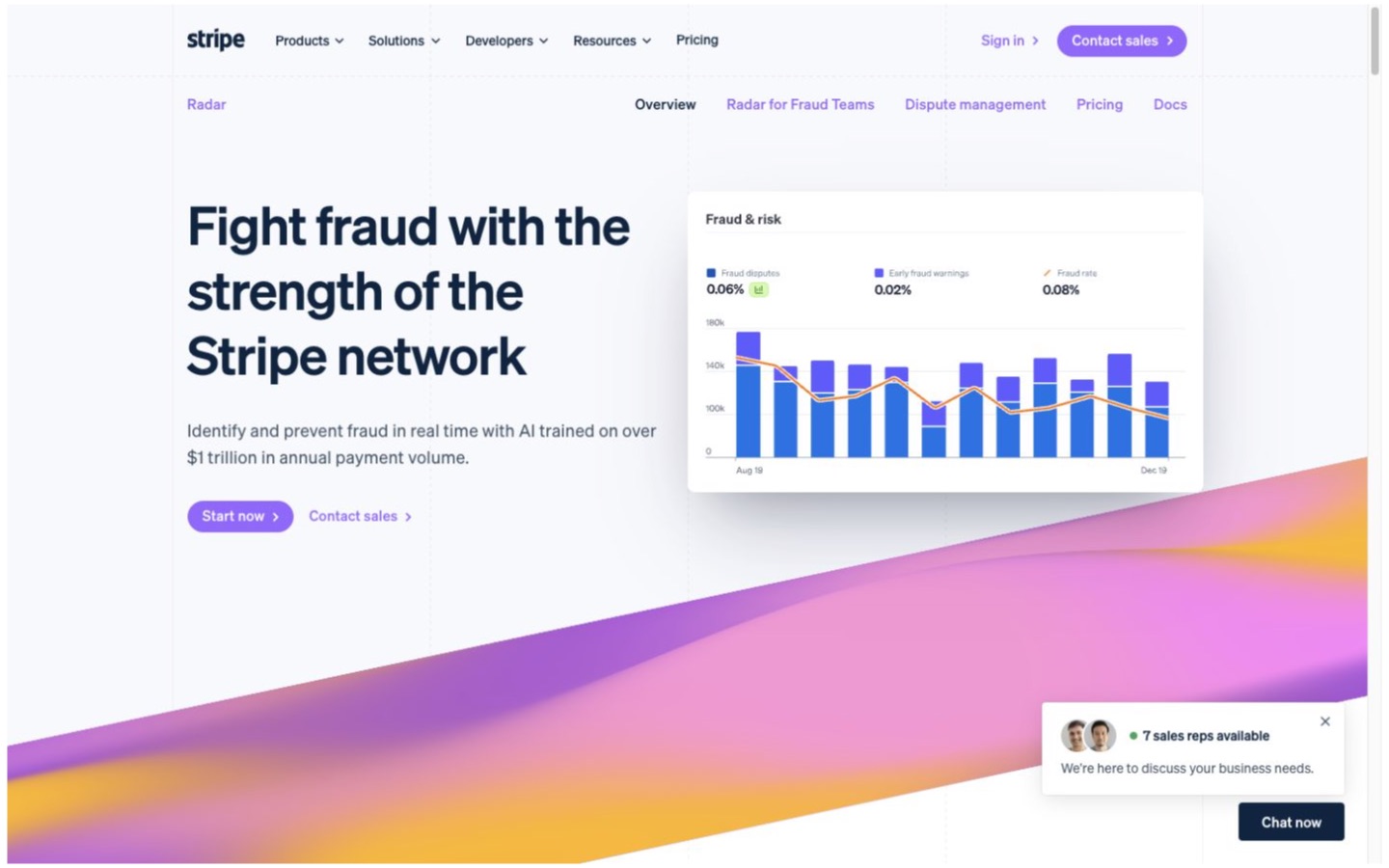
Stripe Radar
A business already using Stripe that wants fraud signals and rules close to the payment decision.
Why it made the list
Radar uses payment data inside the Stripe platform, which can reduce integration work and keep rules near authorization. It is the most obvious baseline for a merchant whose checkout and payment history already live there.
The tradeoff
It is tied to the Stripe payment stack, and advanced rules or review workflows may not match a business that uses several processors or needs a broader identity layer.
What to verify
Review current Radar pricing for the account, replay historical patterns, and measure approval, review, block, dispute, and false-decline outcomes by rule.
Best when chargeback protection is part of the deal
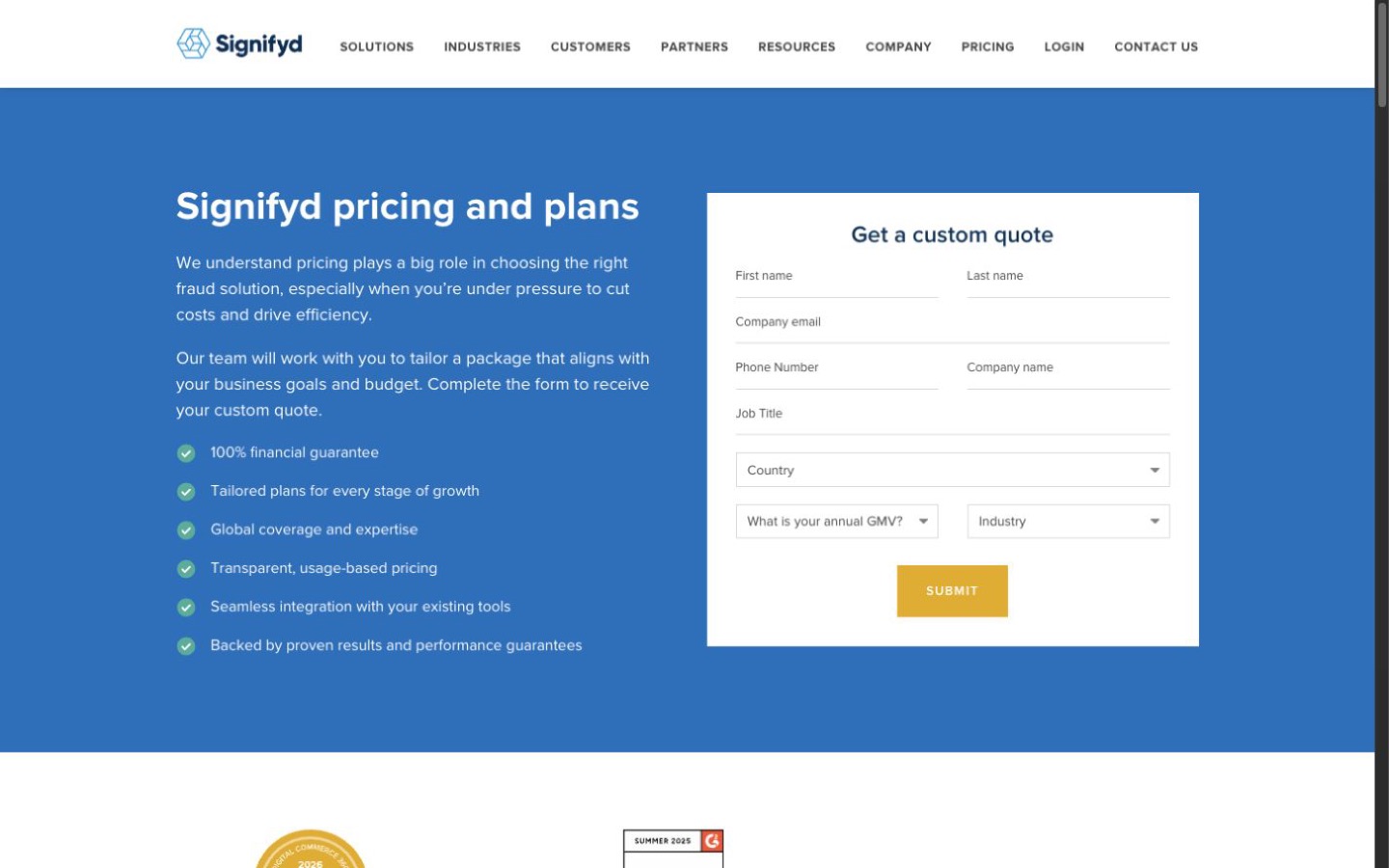
Signifyd
A merchant that wants fraud decisions paired with an eligible chargeback-guarantee or commerce-protection arrangement.
Why it made the list
Signifyd is differentiated by protection models in which the commercial agreement can matter as much as the scoring product. That can change how a merchant weighs approval rate, liability, and manual review.
The tradeoff
Coverage is governed by contract terms, exclusions, submission rules, regions, channels, and operational obligations. A guarantee should never be treated as covering every loss.
What to verify
Have finance and counsel review eligible orders, exclusions, claim evidence, deadlines, fees, and liability, then compare approval and loss outcomes on a representative sample.
Best for a hands-on risk team
SEON
A merchant or platform that wants API access, device and digital signals, rules, scoring, and case work it can tune.
Why it made the list
SEON is built for a team that wants to inspect signals and shape decisions instead of accepting only a black-box result. Its documentation covers API collection, scoring, rules, roles, and transaction review.
The tradeoff
More control creates more responsibility for data governance, model and rule monitoring, reviewer permissions, and false-positive analysis. Pricing is only clear when request volume and modules are known.
What to verify
Run a shadow evaluation with privacy and security review, limit collected fields, test role access, and compare results by fraud type and customer segment.
Best for an enterprise identity program
Forter
A larger merchant coordinating fraud decisions across account creation, login, promotions, checkout, and post-purchase activity.
Why it made the list
Forter approaches fraud as a wider identity and commerce decision problem. That is relevant when abuse appears across the customer journey rather than only at payment authorization.
The tradeoff
This is an enterprise program with sales-led scope, integration work, data review, operating ownership, and contract terms. It is unlikely to be the simplest answer for a young store.
What to verify
Define every decision point, data field, fallback, manual override, customer appeal, and outage behavior before a production integration.
How to choose
Four questions that matter more than a feature count
Loss and approval
Fraud dollars, chargebacks, good-order approval, false declines, refunds, and customer friction.
Decision control
Signals, rules, scoring, explanations, manual review, overrides, and safe testing.
Coverage
Payments, accounts, promotions, returns, processors, channels, regions, and guarantee terms.
Data and operations
Fields collected, retention, access, reviewer workload, alerts, audit history, and failure handling.
Cost
Price the working system, not the first subscription
Compare subscription or transaction fees with chargebacks, lost goods, review labor, false declines, guarantee coverage, integration, and ongoing rule management. Measure net business outcome, not the vendor's score alone.
Other credible options
Good products that did not get a main recommendation
Riskified
A strong enterprise commerce-risk candidate, but Signifyd and Forter represent the protection and broader identity cases in this five-product shortlist.
View the profileBefore you commit
Run a small, reversible test
- Agree on fraud, approval, false-decline, and review-time measures.
- Select a representative historical sample with known outcomes.
- Minimize and document the data shared with each vendor.
- Run in shadow mode without automatic customer impact.
- Review results by channel, payment type, region, and customer segment.
- Approve rules, permissions, fallbacks, monitoring, and rollback before launch.
Editorial method
How this shortlist was built
Commerce Stack Guide defined the business situations and candidate group before considering affiliate relationships. We reviewed current official vendor pages, matched products to distinct operating needs, and kept tradeoffs and verification steps beside every recommendation.
This is source-based workflow analysis, not hands-on testing. Product limits and prices change, so the list is a starting point for a controlled trial—not a promise that one product will fit every store.
Sources